

Best Heavyweight Hoodies for Men: What Should You Look For?
Table of contents
- What Makes a Hoodie 'Heavyweight'?
- Hoodie GSM Weight Meaning: From 271 to 440 g/m²
- How Should an Oversized Hoodie Fit?
- Cotton or Cotton Blend: Which Fabric Should You Choose?
- Durable Streetwear for Everyday Use: What Should You Look For?
- Our Best Heavyweight Hoodies for Men Compared
- Conclusion: Your Next Heavyweight Hoodie
- Frequently Asked Questions
Last updated: September 23, 2026
What Makes a Hoodie 'Heavyweight'?
A heavyweight hoodie is a hoodie in which the textile weight of the fabric, expressed in grams per square meter, is clearly higher than that of a standard hoodie. That weight determines how the fabric drapes, how much warmth it retains and how long it lasts.
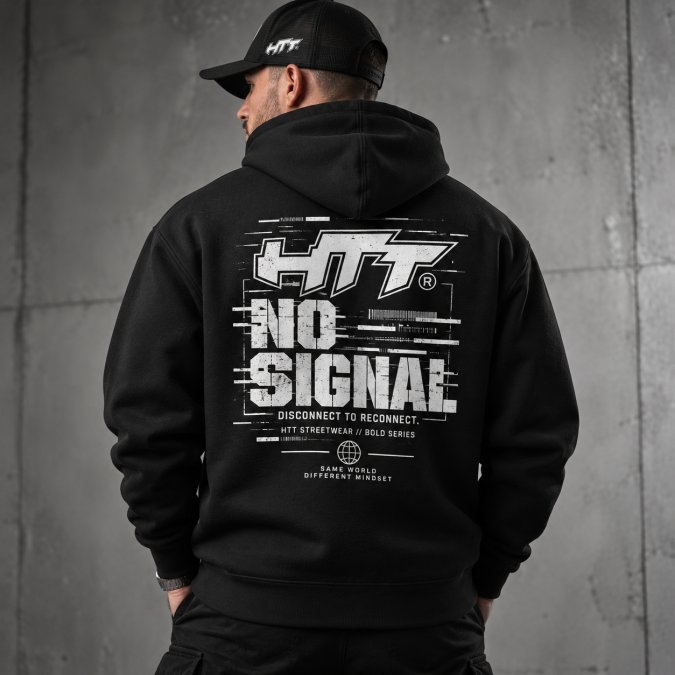
At HTT Streetwear, we get that question often. And the honest answer is: it is not in the brand logo or the marketing language. It is in the fabric weight of the sweatshirt material.
A regular hoodie often weighs between 240 and 280 g/m². A heavyweight hoodie starts at around 300 g/m² and goes up to 440 g/m² or more. You can feel that difference immediately when you lift the garment.
What most buyers do not know: heavy fabric alone does not make a good hoodie. The construction around it determines whether it still has the same shape after twenty washes.
Hoodie GSM Weight Meaning: From 271 to 440 g/m²
GSM stands for grams per square meter. The number tells you how much one square meter of fabric weighs, making it the most reliable measure of a hoodie’s thickness and density. Yet most articles only say that a hoodie is “heavy” without explaining how to read and compare that number yourself. That is exactly where buyers get stuck.
The range in which most hoodies fall:
- 240-280 g/m²: light to midweight, suitable for the transitional seasons
- 271 g/m²: the classic heavy blend weight, sturdy but still wearable in spring
- 300-380 g/m²: clearly heavyweight; structure and heat insulation increase
- 440 g/m²: heaviest category, maximum warmth and a full, luxurious drape
What constitutes a good GSM value depends on your goal. For everyday use during the transitional seasons, anything between 271 and 320 g/m² is a good choice. If you want a hoodie that really holds its structure and retains warmth, 380 g/m² is the minimum you should aim for. Above 400 g/m², you are deliberately buying a heavy garment: it has a fuller drape, but is also less suitable for layering under a jacket.

Pay attention to how the weight is listed. Sometimes it says 8.0 oz/yd², which equals approximately 271 g/m². Always convert the units before comparing two hoodies:
- 1 oz/yd² ≈ 33.9 g/m²
- 8 oz/yd² ≈ 271 g/m²
- 10 oz/yd² ≈ 339 g/m²
- 13 oz/yd² ≈ 440 g/m²
A second pitfall: weight says nothing about yarn quality. Two 380 g/m² hoodies can feel completely different if one is made from air-jet-spun cotton and the other from carded yarn. The number is a starting point, not a final grade.
For anyone who hasn't come across this before: the Textile Museum's explanation of textile fibers and fabric properties provides useful background on how fibers and weave density determine wearing comfort.
How Should an Oversized Hoodie Fit?
An oversized hoodie should fit loosely without hanging like a tent. The shoulder seam intentionally falls lower than your natural shoulder, the sleeves are wider and the body has extra room in the chest and waist.
The most important rule: oversized is a designed fit, not simply a size too large. A size XL hoodie that should actually have been an L looks different from a hoodie that was drafted to be roomy from the start.
What to look for when trying it on:
HTT BLANKS 440GSM Sun Faded Heavyweight →
- Shoulder seam: falls a few centimeters over the shoulder in a genuinely oversized fit
- Sleeve length: remains correct, even though the body is roomier
- Hem: ends around the hips, not halfway down the thigh
- Hood: stays in place without pulling backward
For a slimmer silhouette, choose one size smaller in an oversized model. If you want the full streetwear look, stick with your usual size.
Cotton or Cotton Blend: Which Fabric Should You Choose?
The choice of fabric determines how the hoodie feels, how it drapes and how it behaves over time. There is no overall winner, only a winner for each situation.
100% cotton provides a firm, dry handfeel and a beautiful texture.
Durable Streetwear for Everyday Use: What Should You Look For?
Durable streetwear for everyday use is recognized by construction, not a label. A hoodie that lasts three seasons is more sustainable than a cheap hoodie you replace after a year. But the real test isn't in the store; it's in the washing machine, after twenty washes.
- Pilling: with carded cotton yarn, small pills form after 15-20 washes on the areas that experience the most friction, under the arms, at the cuffs, and on the back where a backpack sits. Air-jet-spun cotton and ring-spun yarn are less prone to this because the fibers are packed more tightly in the yarn.
- Shrinkage: a 100% cotton hoodie that has not been pre-shrunk can shrink 3-5% in the first hot wash. For a 440 g/m² hoodie, that can quickly amount to half a size to a full size. Pre-shrunk fabric prevents this.
- Loss of shape in the cuffs: ribbed cuffs with a small percentage of spandex (usually 2-5%) retain their elasticity longer than 100% cotton cuffs. Without spandex, cuffs and hem stretch out over time.
- Fading and wear of the outer layer: the outside of the fabric determines how well the color holds. A brushed inside feels softer, but says nothing about the quality of the outer layer. Dark colors can fade after frequent washing, especially in a cotton blend with a high polyester content.
The details that make the difference when buying
- Double-stitched seams at the collar, shoulders, armholes, cuffs, and hem
- Ribbed cuffs with spandex, so they do not stretch out
- Pre-shrunk fabric, so the hoodie does not become one size smaller after washing
- Reinforced neck and shoulder seams, the areas where a hoodie tears first
- Kangaroo pocket with reinforced edges, as this is a weak point in cheaper versions
Care tips to extend the lifespan
- Wash at a maximum of 30 degrees and inside out
- Avoid the dryer; lay the hoodie flat to dry or hang it up
- Do not use fabric softener, as it breaks down the fibers and promotes pilling
- Wash dark hoodies separately from light-colored clothing to prevent fading
Our Best Heavyweight Hoodies for Men Compared
At HTT Streetwear, weights range from 271 g/m² to 440 g/m², and each model is suited to a different use. Here are the differences at a glance.
| Model | Weight | Material | Fit | Best for |
|---|---|---|---|---|
| HTT BLANKS 440GSM Sun Faded | 440 g/m² | 100% cotton | Oversized, dropped shoulders | Maximum warmth and structure |
| HTT 004 // AFTERIMAGE Zipped | 440 g/m² | 100% cotton | Oversized, full-zip | Layering and everyday use |
| HTT 006 // CHOOSE YOUR DIRECTION | 380 g/m² | 100% cotton | Oversized, turtleneck | Statement piece with a high collar |
| HTT BLANKS Turtleneck 380 GSM | 380 g/m² | 100% cotton | Relaxed, high-low hem | Minimalist look |
| HTT Work Hard Heavy Blend | 271 g/m² | 50/50 cotton-polyester | Relaxed unisex | Mid-season and casual |
| HTT Urban Chaos | 271 g/m² | 50/50 cotton-polyester | Unisex regular | Graphic back print |
| HTT Bold Series No Signal | Cotton blend | 65% ring-spun cotton | Oversized, runs small | Contrast and graphics |
Conclusion: Your Next Heavyweight Hoodie
The search for the best heavyweight hoodies for men comes down to three questions: which weight suits your needs, which fabric feels good against your skin, and how the hoodie is constructed.

Frequently Asked Questions
What is the ideal GSM weight for a heavyweight hoodie?
A hoodie is considered heavyweight from approximately 300 g/m². For everyday use, 271 to 380 g/m² offers a good balance between warmth and comfort. If you want a truly sturdy, structured hoodie with a substantial drape, choose 440 g/m². The higher the GSM, the heavier and warmer the fabric, but also the stiffer it feels at first.
How should an oversized hoodie fit?
An oversized hoodie should fit loosely without looking sloppy. With dropped shoulders, the shoulder seams sit slightly beyond your natural shoulder line, the sleeves end at your wrists, and the hem falls around your hips. With a good oversized fit, the fabric drapes fluidly and does not feel like a tent. Unsure between two sizes? Choose the smaller one for a more subtle look.
How do I keep a heavyweight hoodie looking good for longer?
Wash your hoodie inside out at a maximum of 30°C with a mild detergent. Do not use bleach or soak it. Tumble dry on low heat or air-dry it, but avoid direct sunlight for dyed fabrics. Never iron directly over a print. This helps keep the color, fabric texture, and any graphics intact for longer.
What is the difference between 100% cotton and a cotton blend in hoodies?
A 100% cotton hoodie feels natural, breathes well, and develops a soft, characterful texture over time. A cotton-polyester blend, often 50/50, holds its shape better, dries faster, and is less prone to pilling. For everyday wear and a relaxed streetwear look, a blend often offers slightly more convenience, while pure cotton is preferred when you want a sturdy, premium appearance.
A hoodie that fits well and lasts for years starts with the right fabric and the right construction. At HTT Streetwear, we build our hoodies around exactly those two things: heavyweight cotton, thoughtful finishing, and a properly proportioned oversized fit. Explore the HTT Streetwear hoodie collection and choose the weight that suits your everyday look. Wear Your Identity.