

Streetwear: The Complete Guide for 2026
Table of contents
- What is streetwear?
- History and origins of streetwear
- Popular streetwear brands and their characteristics
- Essential streetwear items for your wardrobe
- How to style streetwear: practical outfit tips
- Sustainable streetwear brands and ethical production
- Streetwear trends for 2026 and the influence of subcultures
- Investing in streetwear: the resale market
Last updated: August 7, 2026
What is streetwear?
Streetwear is casual clothing that emerged from skate and hip-hop culture, characterized by oversized silhouettes, graphic prints, and a rebellious look. It is a lifestyle and form of self-expression that conveys individuality.
Streetwear stands out through deliberate nonconformity: oversized hoodies, sweatpants, printed T-shirts, and sneakers come together to form a coherent look. It is about authenticity, not perfection. A good streetwear outfit feels natural and reflects who you are.
What makes streetwear unique is its emphasis on quality and details. Although casual, fans invest in premium materials such as combed ring-spun cotton and durable construction. Brands like Henk The Tank understand that streetwear enthusiasts value both comfort and appearance.
The culture revolves around exclusivity and limited editions. Drops create urgency and community, setting streetwear apart from fast fashion. You are part of a movement, not just a consumer.
History and origins of streetwear
Streetwear emerged in the 1980s and 1990s on America's West Coast, where skate and hip-hop culture converged. Skaters sought durable, functional clothing; hip-hop artists used oversized clothing as a statement against mainstream conventions. These two subcultures merged and created something new.
Early pioneers such as Stüssy and Supreme came directly from these communities. This was clothing made by and for the culture itself, not by haute couture designers.
The 1990s saw an explosion in response to mainstream fashion. Young people wanted to stand out, and streetwear offered exactly that. Brands began releasing limited editions, giving rise to drop culture. This principle of scarcity and exclusivity continues to define streetwear today.
In the 2000s and 2010s, streetwear went mainstream. Luxury brands such as Louis Vuitton and Dior began collaborating with streetwear designers. This created tension: how can streetwear remain rebellious when it becomes mainstream? Purists say that true streetwear refuses to become commercial, while others argue that evolution is inevitable.
Popular streetwear brands and their characteristics
The best popular streetwear brands understand that streetwear is culture, not just clothing.
Supreme is the most iconic streetwear brand. It began in New York in 1994 with simple printed T-shirts and built a cult following around limited drops. Its refusal to go mainstream and deliberate restriction of production volumes fuel demand and value. A Supreme shirt from ten years ago may be worth more today than its original price.
Stüssy is a skate culture pioneer that remains relevant today. Its subtle style feels accessible while clearly retaining streetwear DNA. It understands that not everyone wants to wear bold prints.
Carhartt WIP transformed workwear into streetwear. Its oversized jackets and rugged construction appeal to people who value functionality. This proves that streetwear doesn't always have to be graphic.
Henk The Tank offers an interesting alternative for fans who want quality and accessibility. Its HTT Streetwear T-shirt (combed ring-spun cotton) and HTT Work Hard Heavy Blend Hoodie (8.0 oz premium blend) focus on comfort and durability at a fair price, with no massive markup for a logo.

Vans started as a skate shoe brand and evolved into a complete streetwear universe. Its Old Skool sneakers are iconic. Vans democratizes streetwear, making it accessible without feeling cheap.
| Brand | Origin | Strength | Best for |
|---|---|---|---|
| Supreme | NYC, 1994 | Limited drops, cult status | Collectors, hype-conscious fans |
| Stüssy | Skate culture | Subtle design, timeless | Fans with a minimalist style |
| Carhartt WIP | Workwear | Functionality, quality | Practical streetwear enthusiasts |
| Henk The Tank | NL, online | Quality, fair price | Fans seeking value |
| Vans | Skate culture | Accessibility, iconic items | Beginners and purists |
Essential streetwear items for your wardrobe
Start your streetwear wardrobe with essential basics you can wear again and again.
Graphic T-shirts are the heart of streetwear. A subtle logo or interesting illustration is enough. Cotton quality is crucial. The HTT Streetwear T-shirt (€17.00), made from combed ring-spun cotton, feels great right away and retains its shape after repeated washing.
Hoodies are indispensable. A heavyweight hoodie (8.0 oz or more) feels premium and lasts for years. The HTT Work Hard Heavy Blend Hoodie (€30.00) offers comfort and style.

Joggers are essential in streetwear. They should fit well: not too tight, not too loose. Look for quality details such as rib-knit cuffs and a sturdy drawstring.
Sneakers are the foundation. They don't have to be expensive limited editions. Classic silhouettes such as white canvas sneakers work well. It's about the silhouette and harmony with your outfit.
Oversized jackets add volume and attitude. A denim jacket, bomber jacket, or coach jacket in an oversized cut transforms a simple outfit. Quality is crucial.
Caps and accessories complete the look. A trucker cap is a classic streetwear accessory that combines functionality and style.
How to style streetwear: practical outfit tips
Streetwear styling requires an awareness of proportions and cohesion.
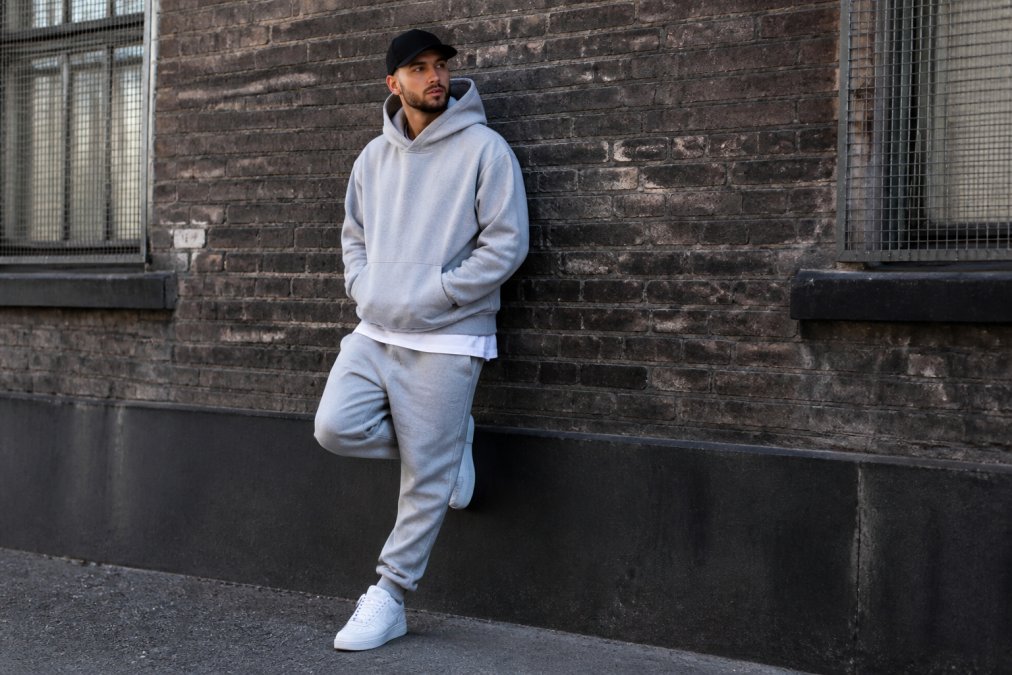
Proportions are essential. If you wear something oversized on top, wear tapered or fitted bottoms. This balance prevents you from looking as if you’ve wrapped yourself in a sack. An oversized hoodie with slim-fit jeans works.
Layering is your secret weapon. Wear a graphic T-shirt under an open overshirt or lightweight jacket. This adds depth and gives you more styling options.
Color coordination doesn’t have to be difficult. Monochrome always works. Black, white, and gray are safe choices. Choose one accent—perhaps your sneakers or cap—and keep the rest neutral.
The role of prints. A large print is a statement. Keep the rest of your outfit understated. Don’t wear two large prints in the same outfit.
Sneaker matching. White sneakers work with almost everything. Black sneakers feel more formal. Colored sneakers make a statement.
Fit and body type. Larger frames can wear oversized clothing without getting lost in it. Smaller frames need to be more careful. Henk The Tank understands this: its products have a universal fit with elastic bands.
Accessories as the finishing touch. A cap and shoes are enough; anything more is too much. Accessories should complete your outfit, not dominate it.
Sustainable streetwear brands and ethical production
The streetwear industry has a problem: many brands talk about quality but produce under poor conditions. Genuine sustainable streetwear brands take responsibility.
Sustainability means two things: material choice and production ethics. Combed ring-spun cotton is better than regular cotton—it is softer, stronger, and lasts longer. This means your shirt can last for years, not six months.
Ethical production means fair wages, safe working conditions, and no child labor. This costs more money, so sustainable streetwear is more expensive. If you buy a T-shirt for €5, you know someone somewhere is working for a starvation wage.
Henk The Tank complies with EU standards under the General Product Safety Regulation (GPSR). Its 2-year EU warranty suggests confidence in quality.
Genuinely sustainable brands are transparent about where their clothes are made. They can tell you which factories they use and publish impact reports.
Streetwear trends for 2026 and the influence of subcultures
Streetwear trends in 2026 are defined by nostalgia and technology. We are seeing a return to 90s aesthetics—oversized silhouettes, baggy jeans, and chunky sneakers—combined with modern technology.
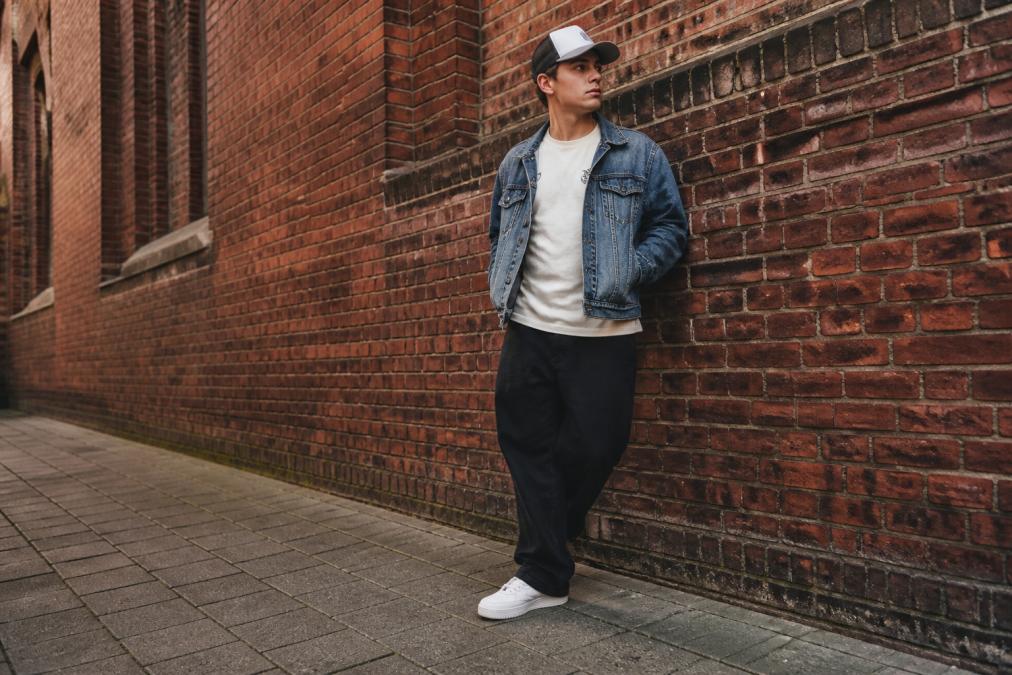
Y2K revival is dominant. This goes beyond wearing retro styles; it is about rediscovering the attitude of that era. Low-rise styles, oversized hoodies, small bags, but modernized with 2026 quality.
Skate culture remains central. Skate has never gone out of fashion. The focus is shifting from pure skatewear to skate aesthetics integrated into everyday clothing: functional design, durable construction, and a no-nonsense attitude.
Hip-hop culture is evolving. Oversized silhouettes are now mainstream. True hip-hop culture is about self-expression and individual flair. In 2026, we are seeing more personalization, custom graphics, and DIY elements.
Gaming and esports culture are being integrated. This is new for 2026. Gamers want to wear their identity, but subtly. Henk The Tank understands that gaming fans want streetwear that does not look childish.
Inclusivity and body diversity. Streetwear has traditionally been male-oriented. In 2026, we are seeing more feminine cuts, plus-size options, and gender-neutral designs.
Sustainability as a trend, not an afterthought. Consumers in 2026 expect sustainability. It is no longer a premium feature; it is a minimum requirement.
Investing in streetwear: the resale market
Streetwear is not just clothing; for many, it is an investment. The streetwear resale market has grown explosively.
Why does streetwear have resale value? Because many items are limited. A Supreme shirt from 2010 may be worth €500+ today. This does not happen with fast fashion.
How do you invest wisely in streetwear?
First: buy what you like. Your best investment is something you wear and enjoy.
Second: focus on brands with history. Supreme, Stüssy, and Carhartt WIP have proven that their value increases.
Third: condition is everything. A shirt in perfect condition is worth much more.
Fourth: limited editions and drops have more value. This creates urgency and collectibility.
Fifth: do your research. Check Depop, Grailed, and other resale platforms to see actual values.
DIY and personalization as value added. This is a trend in 2026: custom streetwear. Brands offer DIY elements, allowing you to add your own graphics and choose colors. This makes your item unique and increases its personal value.
The resale market proves that streetwear is a culture, not just fashion. People pay a premium for items that mean something. This is why quality and authenticity are so important.
Streetwear is more than clothing; it is your identity. Whether you are just starting out or have been part of the culture for years, it is about quality, authenticity, and telling your story. At Henk The Tank, we understand that streetwear fans value genuine quality without the hype tax. Our HTT Streetwear T-shirt and HTT Work Hard Heavy Blend Hoodie are made for fans who want to wear their passion with confidence. With materials such as combed ring-spun cotton and a 2-year EU warranty, you are investing in pieces that truly last. Add a unique item to your wardrobe and discover what real streetwear quality feels like.
Frequently Asked Questions
What exactly falls under streetwear?
Streetwear is casual clothing that originated in skate culture and hip-hop culture. It combines comfort with rebellion: oversized silhouettes, printed T-shirts, hoodies, sweatpants, and sneakers. Streetwear is about nonchalance and individuality, not expensive brands. It is about how you express yourself through casual clothing that conveys an attitude. Many streetwear items are limited-edition releases from exclusive brands, which fueled drop culture.
How do you style streetwear without looking childish?
Choose subtle designs instead of bold prints. Layer your pieces: a basic T-shirt under an oversized hoodie, with sweatpants and clean sneakers. Add accessories such as a trucker cap for extra style. Stick to neutral colors (black, gray, white) and add accent pieces. The HTT Streetwear T-shirt (€17) and HTT Work Hard Heavy Blend Hoodie (€30) are perfect for professional casual looks that you can also wear to the office.
What are sustainable streetwear brands, and why are they important?
Sustainable streetwear brands use ethical production methods and environmentally friendly materials. They pay fair wages and minimize waste. This is important because fast fashion causes significant harm. Look for brands that are transparent about their supply chain and use materials such as combed ring-spun cotton. Sustainability also means longevity: quality pieces that last for years, not disposable clothing.
Is investing in streetwear a wise choice?
Yes, certain limited-edition releases and exclusive drops can increase in value on the resale market. Collectible streetwear from respected brands retains its value better than fast fashion. Invest in classic items with timeless designs instead of passing trends. Ensure good quality and original condition. This only works for truly limited items, not standard collections.
This article was written using GrandRanker