

How long does high-quality cotton last: Guide
Table of contents
- How long does quality cotton last: what determines its lifespan
- How to Recognize Quality Clothing When Shopping
- The difference between cotton and polyester in terms of durability
- Cotton clothing care tips: step by step
- Intensive use and replacement timeline
- Sustainability versus lifespan: the difference
- Conclusion
Last updated: August 18, 2026
How long does quality cotton last: what determines its lifespan
The lifespan of quality cotton depends on much more than the material itself. Weave density, fiber quality, care methods, and intensity of use together determine how long your cotton clothing will really last. A good-quality shirt can last five to ten years if you treat it properly, while careless care can wear out the same quality in two years.
At Henk The Tank, we understand that streetwear fans want to know what they are getting for their money. That is why we take an in-depth look at what truly makes quality cotton durable. It is not just about the price you pay, but how the shirt is made, how you wash it, and how intensively you wear it.
Weave density and thread count as key factors
Weave density literally determines how many fibers are in your fabric per square centimeter. The higher the thread count, the denser the weave and the better it withstands wear. A good cotton shirt usually has a thread count of at least 150–200 threads per inch. Shirts with 200+ threads feel softer and last longer because the fibers have less room to separate.
You can quickly see the difference between a shirt with a low and high weave density. Low density feels thinner and becomes thinner more quickly after a few washes. High density feels heavier, feels luxurious, and retains that quality much longer. This is where many cheap alternatives fail: they cut back on thread density to reduce costs, causing the shirt to wear out more quickly.
A practical tip: feel the shirt before you buy it. Quality cotton feels firm and compact, not loose or scratchy. If it feels thin, it probably will not last long, regardless of what the packaging claims.
Natural versus synthetic fibers
Pure cotton is naturally breathable and absorbs moisture well, but synthetic fibers such as polyester can be more resistant to certain types of wear. The ideal choice is often a blend: 100% cotton for maximum moisture absorption and comfort, or a blend with polyester for added durability.
However, natural fibers have an advantage that many people forget: they become stronger when wet. This means you can wash them somewhat more aggressively without them immediately falling apart. Synthetic fibers, on the other hand, can weaken at high temperatures and lose their shape more quickly.
The HTT Essential Short Sleeve T-Shirt, for example, is made from 100% ring-spun cotton, meaning the fibers are spun extra carefully for maximum strength and softness. This type of cotton lasts significantly longer than regular cotton.

How to Recognize Quality Clothing When Shopping
Recognizing quality clothing starts with looking at the details manufacturers prefer to hide. Check the seams, the finishing, the label, and the way the shirt feels. A quality shirt has straight, tight seams that do not come loose and a sturdy hem that will not fray.
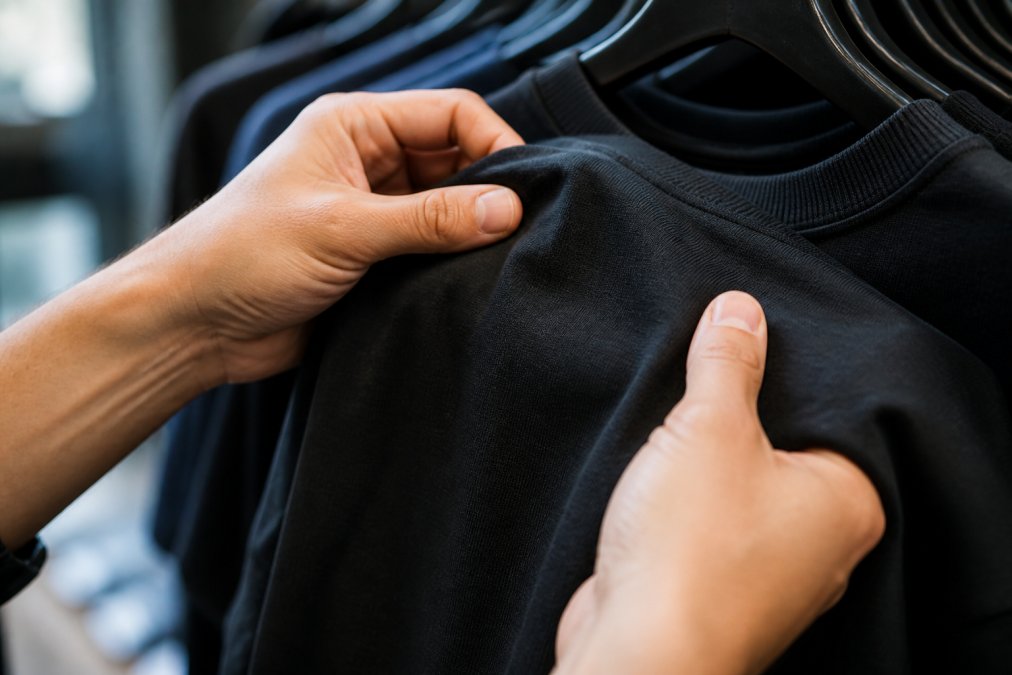
How to Check Cotton Quality Features
Check the label first. Does it say 100% cotton or ring-spun cotton? That is already a good sign. Then check the thread density if it is listed. Many brands do not provide this information, so feel the shirt. Quality cotton feels dense and sturdy, not scratchy or thin.
Look at the seams. In quality clothing, the seams are double-stitched and straight. Poor-quality garments have single seams that can come loose. Also check the hem at the bottom of the shirt: it should be neatly finished, not rough or uneven.
Smell the shirt if possible. Good cotton smells neutral or fresh. A chemical or sharp odor may indicate poor processing or excessive use of chemicals. This is not always a dealbreaker, but it provides useful information.
Ring-spun Cotton vs. Regular Cotton
Ring-spun cotton is the difference between a shirt that lasts two years and one that lasts ten. With ring-spun cotton, the fibers are spun extra carefully in a ring, creating a much stronger yarn. This yarn is softer, stronger, and less prone to pilling (those small balls that appear after washing).
Regular cotton is spun more quickly and less carefully, resulting in a weaker yarn that wears out sooner. The price difference is minimal, but the difference in durability is enormous.
When you look at the label and see “ring-spun,” you know you have a shirt worth having. The HTT Anonymous Streetwear T-Shirt is made from premium ring-spun cotton, providing long-lasting durability even with intensive daily use.

The difference between cotton and polyester in terms of durability
Cotton and polyester have different strengths when it comes to durability. Cotton is stronger when wet, meaning it can withstand intensive washing. Polyester is stronger when dry and retains its shape better after repeated washing.
For streetwear and everyday use, 100% cotton is usually best. It breathes better, absorbs moisture, and feels more comfortable against your skin. For activewear or sportswear, a polyester blend may be a better choice because it dries faster and retains its shape better.
Moisture absorption and breathability
Cotton absorbs up to 27% of its own weight in moisture without feeling wet. This makes it ideal for everyday wear, especially in a climate where you sweat a lot. Polyester absorbs much less moisture and feels clammy more quickly.
This is important for longevity because moisture buildup can lead to mold growth and odor development. Breathable fabrics dry faster and therefore last longer without needing to be washed constantly. Washing less often means less wear.
Comparing abrasion resistance and pilling
Pilling is the formation of small balls on your shirt after washing. This happens especially with cheap cotton and synthetic blends. High-quality cotton with a high thread count and ring-spun construction pills much less because the fibers are held together more firmly.
Polyester actually pills faster than cotton, even though it is often labeled as “more durable.” This is a common mistake. Abrasion resistance is not the same as durability. A polyester blend may retain its shape better, but cotton wins in the long term because it does not pill and remains stronger.
Cotton clothing care tips: step by step
How you wash your cotton clothing largely determines how long it lasts. This is where many people make mistakes. They buy quality clothing and then ruin it with improper care.
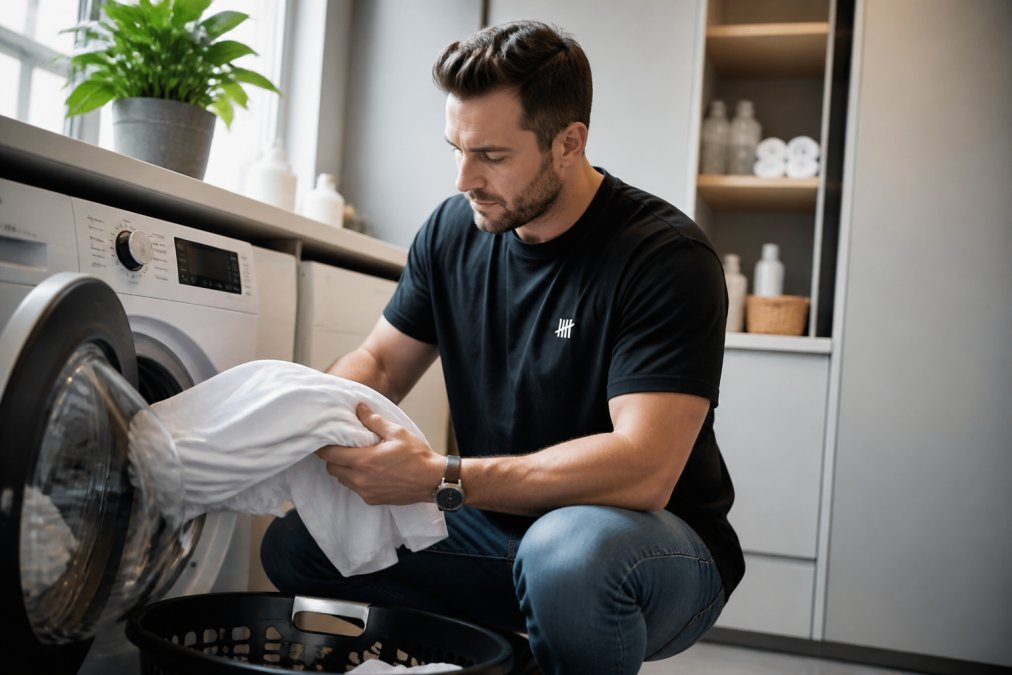
Washing frequency and temperature
Washing at a low temperature (30–40 degrees Celsius) is better for longevity than high temperatures. High temperatures weaken the fibers and can cause shrinkage. Always use cold water for colored clothing and lukewarm water for whites.
Washing on the delicate setting or a special cotton cycle is better than aggressive wash cycles. Washing less often is also better: wear your shirt at least twice before washing it, unless it is truly dirty. This significantly extends its lifespan.
Do not use more detergent than necessary. Excess detergent can remain in the fibers and weaken them. Half the recommended amount is usually enough. Special detergents for delicate fabrics can help, although regular detergent works fine.
Preventing shrinkage and minimizing wear
Shrinking occurs mainly during the drying phase. Always hang your cotton clothing to dry instead of putting it in the dryer. If you must use a dryer, set it to a low temperature. Much quality cotton shrinks by 5–10% at high heat, which can make the shirt unusable.
Avoid leaving your shirts crumpled together in a laundry basket. This causes unnecessary wear to the fibers. Hang them up or place them gently in a basket. Turn your shirts inside out before washing them: this protects the outside from wear and fading.
Do not use bleach on cotton unless it must remain very white. Bleach significantly weakens the fibers. For stains, it is better to use a stain remover.
Intensive use and replacement timeline
How intensively you wear your clothing determines when it needs replacing. A shirt worn five days a week will wear out faster than one worn once a week.
When should textiles be replaced?
A quality cotton shirt lasts an average of 5–10 years with normal wear and proper care. “Normal” means wearing it approximately 2–3 times a week. If you wear it every day, you will halve its lifespan.
Signs that your shirt needs replacing include large holes, extensive pilling, fading, worn seams, or no longer fitting properly. A shirt that is still intact but no longer feels comfortable can still be worn, but it is nearing the end of its life.
Visual inspection: identifying wear
Check your shirt regularly for signs of wear. Look for thin areas, especially around the armpits, neckline, and hem. These are the areas subject to the most stress. If you hold the shirt up to the light and see thin spots, it will likely wear out soon.
Pilling is not always a sign that the shirt is falling apart, but it indicates that the quality is declining. You can carefully remove pilling with a fabric shaver or fine sandpaper. Removing pilling regularly can extend the shirt’s lifespan.
Check the seams regularly. If they start to come loose, you can still repair them before the problem gets worse. A small stitch can make the difference between a shirt that lasts for years and one that falls apart.
Sustainability versus lifespan: the difference
Many people use these terms interchangeably, but they mean different things. Sustainability concerns environmental impact and how responsibly the product is made. Lifespan concerns how long the product remains usable.
A shirt can have a long lifespan without being sustainably made. Conversely, a sustainably made shirt can have a short lifespan if it’s made from poor-quality materials. Ideally, you want both: quality cotton that is produced sustainably and lasts a long time.
Ring-spun cotton is often produced more sustainably than regular cotton because it requires more care. This means manufacturers that use ring-spun cotton usually also pay more attention to other aspects of sustainability. This isn’t always the case, but it’s a good sign.
At Henk The Tank, we choose quality cotton because it lasts longer, which means you don’t have to constantly buy new clothes. This is actually the best form of sustainability: making clothes you can wear for years.
Quality cotton is an investment that pays off. A good Henk The Tank shirt costs more upfront but lasts years longer than cheap alternatives. With the right care and maintenance, you can wear your cotton clothing for 5–10 years. Check the thread density, choose ring-spun cotton, and wash at a low temperature. Discover our collection of premium cotton streetwear and add durable quality to your wardrobe.
| Aspect | What to check | Impact on lifespan |
|---|---|---|
| Thread density | 150+ threads per inch | Higher = lasts longer |
| Fiber type | 100% ring-spun cotton | Ring-spun = much longer-lasting |
| Seams | Double-stitched, tight | Loose seams = early damage |
| Washing procedure | Low temperature, gentle cycle | Improper washing halves lifespan |
| Drying method | Air-dry, don’t tumble-dry | Dryer causes shrinkage and wear |
| Usage frequency | Ideal 2–3 times per week | Daily use halves lifespan |
Quality cotton deserves better care than you may be used to. The HTT Essential Short Sleeve T-Shirt is made of 100% ring-spun cotton, which means it will last for years if you treat it properly. Want to learn more about our other cotton basics? Check out the DTG printing techniques for durable clothing to learn how we apply our designs without damaging the fabric.
Investing in quality cotton means investing in clothing you can truly wear for a long time. With the tips in this guide, you know exactly how to make your cotton clothing last longer. Add the Dutch Premium pique polo shirt or Emma's crop top to your collection and enjoy comfortable, durable streetwear for years to come.
Frequently Asked Questions
Is 100% cotton always a sign of good quality?
Not necessarily. The composition is only one factor. The quality of cotton depends on fabric density, thread count, and whether it is ring-spun cotton. Cheap 100% cotton with a low fabric density (under 150 grams per square meter) can wear out faster than better-made polyester blends. Always check the fabric density and manufacturing method, not just the percentage.
How long does a cotton garment last with intensive daily use?
High-quality cotton with a high fabric density (180+ grams per square meter) lasts an average of 2–3 years with daily wear and washing. With moderate use, this can be 4–5 years. Intensive use, frequent washing, and high temperatures significantly shorten its lifespan. Henk The Tank's ring-spun cotton shirts retain their shape and color longer thanks to their better fiber structure and denser weave.
What is the difference between cotton and polyester in terms of lifespan?
Cotton absorbs moisture and is breathable, but is more prone to shrinking and wear. Polyester is more durable, does not shrink, and dries faster, but absorbs less moisture. For streetwear where comfort is the priority, ring-spun cotton is better; for intensive use (such as sports), polyester blends offer greater durability. Henk The Tank combines both for the optimal balance.
How can you recognize wear and when should you replace cotton?
Look out for thin areas (especially around the neck and arms), pilling (small balls on the fabric), faded color, and stretched-out seams. Replace the garment when the fabric feels thinner, holes appear, or it no longer regains its shape after washing. With ring-spun cotton, this takes longer because the fibers are more tightly intertwined. Regular care significantly extends its lifespan.
This article was written using GrandRanker