

How do you determine the value of vintage streetwear clothing?
Last updated: November 4, 2026
Quick Summary
You determine the value of vintage streetwear by assessing the brand, rarity, condition of the piece, and current buyer demand. Start by checking the label and stitching for authenticity, then compare it with recent completed sales of the same model.
- Check the main label, size label, care instructions, and stitching for authenticity.
- Look for the production year or season on the label or in the brand's catalog.
- Check the color, print, fabric, lining, and odor for wear or damage.
- Use the median of four to six completed sales from the past six to twelve months.
- Don't compare only with active listings, as they show asking prices, not sale prices.
Table of contents
- What makes vintage streetwear valuable?
- Step 1: Check the label and stitching
- Step 2: Determine the item's age and rarity
- Step 3: Assess the garment's condition
- Step 4: Set a fair price
- Authentication checklist: avoid common mistakes
- Your next step: determine the value of your own piece
- Frequently Asked Questions
What makes vintage streetwear valuable?
Vintage streetwear is rarely valuable just because it's old. It's valuable because it's rare, well-made, and sought after. An old hoodie without a well-known brand often sells for little. An early collection from a cult brand can fetch much more.

Value comes from a few factors that work together. These include the brand, age, rarity, condition, and current buyer demand. We use this guide to go through those factors step by step.
- Brand: A well-known streetwear label attracts more buyers.
- Rarity: Limited-edition pieces and small runs attract buyers more quickly.
- Condition: A clean piece with no stains or holes is worth more.
- Demand: What buyers are looking for now determines the price.
The good news: you don't need to be an expert to make an initial assessment. Start with the label.
Step 1: Check the label and stitching
The label is the first thing we look at. It tells you who made the piece and often when. Stitching tells you how it was made.
Look out for these points:
- Main label: Is the brand recognizable and complete?
- Size label: Does the format match the style of that era?
- Care instructions: Are they in the right language and font?
- Stitching: Is it tight, straight, and even?
Loose or crooked stitching may indicate a counterfeit or poorly made piece. Also check whether the label has been replaced or reattached. This often lowers the value.
Note: A label may be counterfeit. Always compare it with photos of known authentic examples from the same period.
Which vintage streetwear brands are popular?
Some brands are in high demand among collectors. Which brands those are changes over time and with trends. So always look at recent sale prices for similar items, not old lists.
A good source is the sales history on secondhand clothing platforms. There you can see what items actually sold for, not what sellers hope to get.
These features will help you make an initial assessment and spot counterfeits.
| Check | What to look out for | Warning sign |
|---|---|---|
| Main label | Recognizable and complete | Missing or unclear brand |
| Size label | Fits the style of the time | Size does not fit the period |
| Care instructions | Correct language and font | Unusual font or language |
| Stitching | Tight, straight and even | Loose or crooked stitching |
| Label | Original, not replaced | Reattached label |
Step 2: Determine the item's age and rarity
Age is not the same as value. If you want to explore vintage gaming clothing styles for collectors, you'll find more information there about age and rarity. A 30-year-old item can be inexpensive, while a 10-year-old item can be worth a lot. It all depends on the demand for that specific collection.
Here's how to determine the item's age and rarity:
- Look up the production year or season on the label or in the brand's catalog.
- Compare the style with collections from the same period.
- Check whether it was a limited edition or collaboration.
- Count how many similar items you see listed online.
The fewer examples that exist, the greater the chance of a higher price. Also consider whether the item has a story, such as being linked to a well-known artist or a famous release. This can greatly increase its historical value.
Step 3: Assess the garment's condition
Condition is often the factor that has the greatest impact on price. Even a rare item loses a lot of value when worn.
Look out for these points:
- Color: Is the color even or faded?
- Print: Is the print intact or cracked?
- Fabric: Are there any holes, pilling or discoloration?
- Lining and seams: Are they intact and sturdy?
- Smell: Does the item smell musty or like smoke?
Make a short note of each point. This will give you an accurate picture. A small stain is less serious than a large tear in the print. Read more about this material's quality as a reference on the page about heavyweight cotton and value for money.
Step 4: Set a fair price
A fair price lies between what you hope to get and what buyers are willing to pay. Asking prices on secondhand platforms don’t always reflect true market value, so it’s best to look at completed sales rather than listings.
The four-step pricing method
- Collect four to six completed sales of the same brand, model, and roughly the same size. Use only sales from the past six to twelve months, because streetwear prices move quickly.
- Record the condition for each piece (new with tags, excellent, good, worn) and the final sale price in euros.
- Calculate the median, not the average. One outlier from a hype release can skew the average; the median gives a more realistic midpoint.
- Adjust for the condition of your piece. A small stain or slightly faded print puts it at the lower end of the range; a piece with its original tag and no wear belongs at the upper end.
Tools and sources for pricing
Use multiple sources side by side. Each source has its own blind spots:
- Sales history on secondhand platforms, the most direct source, but only useful if you filter by sold rather than active.
- Auction platforms with completed sales, useful for rare pieces and collabs with limited availability.
- Specialist vintage stores and online shops, their asking prices are higher than private sales, but they give you an idea of the upper end of the market.
- Collector forums and communities, where you can often see which releases are currently in demand before it shows up in prices.
- Brand catalogs and archive pages, to date a piece and determine whether it’s from a main collection or a limited drop.
Note: Don’t compare only with active listings. They show what sellers hope to get, not what buyers have actually paid.
Hype, collabs, and drop culture
In streetwear, value works differently than in general vintage. A collaboration between a brand and an artist, musician, or sports brand can drive the price up significantly, even if the piece is less than ten years old. Look for three signs:
- Drop culture: pieces that sold out instantly and were never reissued hold their value better.
- Deadstock: In streetwear, an unworn piece with its original label and packaging is often worth many times more than the same piece when worn.
- Collabs: A limited-edition collaboration with a well-known name attracts a different group of buyers than a standard collection.
Authentication checklist: avoid common mistakes
Unfortunately, counterfeits are common among sought-after streetwear brands. A copy often looks convincing in a photo, but fails inspection when you check the label, stitching, and print. The checklist below is specifically designed for streetwear and helps you distinguish counterfeits from authentic pieces before naming a price.
The checklist, step by step
- Main label: Do the font, size, and placement match the brand's era? Compare with photos of known examples from the same year.
- Inner label and care instructions: Are the language, symbols, and washing instructions in the right place and style? For many brands, these changed with each collection.
- Stitching: Is it even, straight, and finished with the same thread thickness? Check for double stitching at the shoulder and hem.
- Print and embroidery: Does the design match known examples? Cracked or misaligned prints may indicate a later reprint or a copy.
- Material: Does the fabric feel like the original? Compare the weight and composition with a piece you know is authentic.
- Hardware: Zippers, buttons, and drawstrings often bear a brand stamp. If it is missing or different, that's a warning sign.
- Size chart: Does the sizing match the period? A modern size on a vintage-looking piece is suspicious.
- Signs of alteration: Are there signs that a label has been replaced, a print has been overprinted, or a piece has been restitched?
Common mistakes
The most common mistake is trusting the seller or the description without checking for yourself. Always ask for extra photos of the label, stitching, and print, and compare them with reference material.
A second mistake is overestimating. A piece that seems "rare" isn't automatically rare. Look for evidence: how many examples are listed online, is it a well-known release, and how much have similar pieces sold for?
Note: A perfect print and a crisp label do not automatically mean a piece is authentic. So always check several points on the checklist before determining its value.
Your next step: determine the value of your own piece
You now have a method for evaluating vintage streetwear: label, age, condition, and price. Start with one item and work through the steps calmly. Write down your findings so you can compare them later.
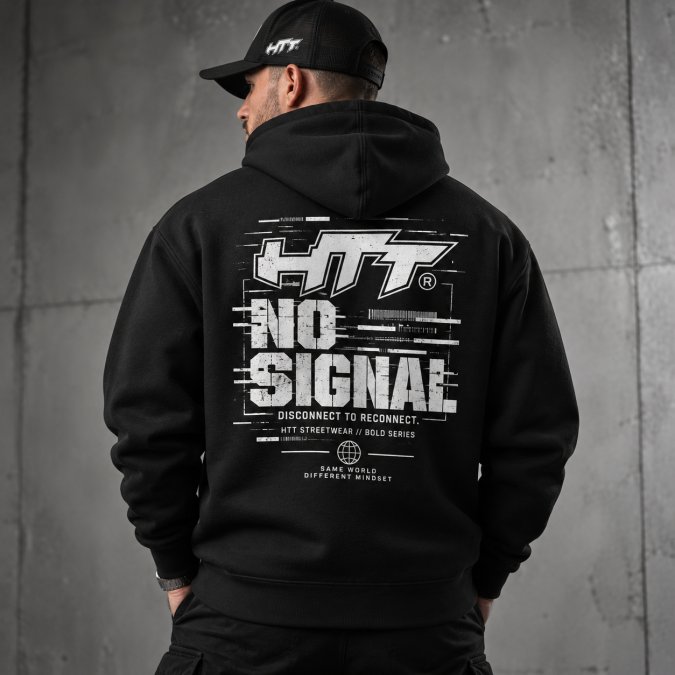
Want to wear vintage-inspired streetwear instead of collecting it? Check out our hoodies and oversized T-shirts. With HTT Streetwear, you wear your own identity, and that's exactly what it's all about.
Frequently Asked Questions
How do you determine the value of vintage clothing?
The value of vintage clothing depends on four factors: the brand and label, the age and rarity of the model, the item's condition, and market demand. Start with the label and stitching to confirm its origin. Then compare recent sale prices for similar items and account for wear, stains, and damage. An item in excellent condition with a sought-after label generally fetches a higher price than a worn example from the same brand.
How can you tell if streetwear is authentic vintage?
You can identify authentic vintage streetwear by its label, stitching, materials, and construction. Older items often have woven labels, double stitching, or a different cut from modern replicas. Also check the production year and whether the model was actually made during that period. If in doubt, compare the piece with documented references from the same collection.
Which vintage streetwear brands are popular?
Popular vintage streetwear brands are often brands that were influential in skate, hip-hop, and sports culture in the 1990s and early 2000s. Think of labels with a strong brand identity and limited runs. However, a brand's popularity changes over time, so always check recent sales data before setting a price. Rare collaborations and limited-edition releases generally fetch the highest prices.
How do you determine a fair selling price for vintage clothing?
You determine a fair selling price by taking the average price of recently sold, comparable items in the same condition. Factor in shipping costs, platform fees, and the time you spend on photography and descriptions. A realistic price sells faster than an asking price that's too high. Adjust the price based on the item's condition and rarity.
