

Loose fit or oversized: which is larger?
Table of contents
- Loose fit vs oversized: the core difference
- Loose fit or oversized: which is bigger in numbers?
- How should an oversized shirt fit?
- Fabric choice and drape: why 380 GSM falls differently than 260 GSM
- How to combine oversized clothing without looking shapeless
- Size advice: clothing size, unisex sizing, and how sizes fit in practice
- Conclusion: which fit should you choose?
- Frequently Asked Questions
Last updated: September 16, 2026
Loose fit vs oversized: the core difference
A loose fit oversized silhouette is designed with more room than a regular loose fit: where loose fit mainly provides extra room without changing the shoulder line, oversized deliberately lets the shoulder seams drop off the shoulder. That's the entire difference in one sentence.
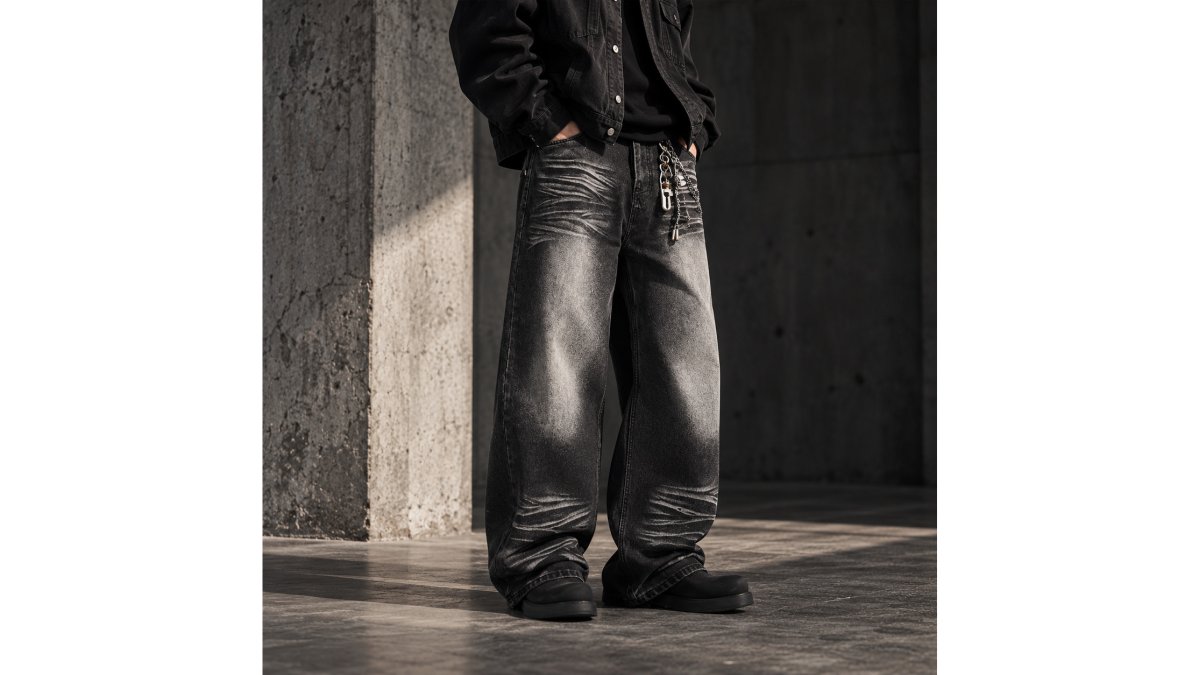
Loose fit is a cut with extra room in the torso, while the shoulder seams still sit in place. Oversized is a fit in which the entire garment is designed more generously, including the shoulder line, sleeve length, and waist.

So the difference isn't in "how many centimeters extra," but in where those centimeters are. Loose fit provides room for movement. An oversized fit uses volume as an aesthetic.
Loose fit or oversized: which is bigger in numbers?
A loose fit oversized garment runs larger, and you can see that most clearly in the shoulder width. With a regular fit, the shoulder seam sits exactly at the end of your shoulder. With loose fit, it extends a few centimeters beyond that. With oversized, the seam drops toward your upper arm.
The rule of thumb we use:
- Regular fit: shoulder seam at the shoulder point, 0-2 cm of room in the torso
- Loose fit: shoulder seam almost at the shoulder point, 4-8 cm of extra width in the torso
- Oversized: shoulder seam 4-8 cm beyond the shoulder point, 10 cm or more of extra width
Note: manufacturers can decide for themselves what they call loose or oversized. There is no official standard. Therefore, always compare the size chart in centimeters rather than the label.
Shoulder seams and sleeve length as points of measurement
The shoulder seam is the most reliable point of measurement. Lay a shirt you like flat on a table and measure from armpit to armpit. Compare that measurement with the size chart for the garment you're considering.
Sleeve length changes with the fit. As the shoulder seam shifts outward, the sleeve is effectively shorter on the upper arm. An oversized silhouette calls for a sleeve that ends halfway down the upper arm, not one that reaches your elbow.
The difference between relaxed fit and loose fit in the silhouette
Relaxed fit and loose fit look similar, but relaxed is the more understated option. A relaxed fit provides comfort and room to breathe without making the silhouette look wide. Loose fit takes that same room further, creating a boxier, more square shape.
In short: relaxed fit is a feeling, loose fit is a shape, and oversized is a statement.
How should an oversized shirt fit?
An oversized shirt should fall with a clear shoulder line that extends away from your body, a straight hem, and room through the torso without the fabric pulling tight anywhere. If the shoulder seams drop far down your upper arm or your entire silhouette disappears, the shirt is too large rather than oversized.
Three points to check when trying it on:
- The shoulder seam rests on your upper arm, not halfway down your elbow
- The hem falls around your hips, not over your thighs
- The fabric moves with you but does not cling to your body
Fabric choice and drape: why 380 GSM falls differently than 260 GSM
The heavier the fabric, the more firmly the silhouette holds its shape. A 380 GSM hoodie such as the HTT BLANKS Heavyweight Turtleneck Hoodie drapes like a structured garment: the fabric falls in straight lines and stays away from the body. A 260 GSM T-shirt drapes more softly and follows the contours more closely.
That difference is exactly why two garments labeled "oversized" can look completely different. With lightweight fabric, the volume collapses and the fit quickly looks shapeless. With heavyweight fabric, the boxy shape stays intact.
HTT.001 Snow Wash Premium Oversized →
What most fit guides miss: GSM says nothing about how the fabric drapes if there is no structure in the cut. A heavyweight garment with a poor shoulder line will still drape poorly. So always consider both: fabric weight and construction.
How to combine oversized clothing without looking shapeless
The rule is simple: one oversized piece per outfit, with the rest fitted. If you wear an oversized T-shirt, choose straight-leg or loose-fit trousers that keep the proportions balanced, such as the HTT SELECTED Washed Black Loose Fit Jeans. Wearing two oversized pieces together only works if you are deliberately going for a fully voluminous silhouette.
What most styling guides miss is that the success of an oversized look lies not in the combination, but in the fabric. Heavy 380 GSM cotton holds its shape as you move; lightweight 180 GSM jersey collapses as soon as you sit down. That is why the same outfit works completely differently with a heavyweight T-shirt than with a lightweight one. Choose your fabric based on the silhouette you want, not the label.
Practical styling for everyday use:
- Tuck the front of your oversized shirt slightly into your waistband for a more defined waist
- Choose shoes with some volume, because flat soles make wide legs look heavy
- Keep colors subdued when the silhouette is already broad
- Let one layer do the work: an oversized hoodie over a regular fit tee works better than two oversized layers
- With lightweight fabric, choose fitted trousers; with heavy fabric, the trousers can be somewhat looser
Why fabric behavior determines the look
An oversized silhouette depends on the space between the fabric and the body. With heavy, stiff fabric, that space remains when you stand, walk, and sit. With lightweight, fluid fabric, that space disappears as soon as the fabric starts to drape. That is the difference between a deliberately boxy silhouette and a garment that simply looks too big.
For an oversized look that holds its shape, choose a fabric of approximately 260 GSM or more. For hoodies and sweatshirts, 380 GSM works better because it also retains its volume when moving. With a lightweight fabric, it is better to size down and let the room remain in the cut rather than relying on the fabric's volume.
Size advice: clothing size, unisex sizing, and how sizes fit in practice
For an oversized fit, choose your usual clothing size unless the size chart says otherwise. The HTT Street Attitude Oversized T-Shirt is designed so that your normal size already provides the intended boxy fit; sizing down makes the silhouette more compact.
Unisex sizes fit differently from women's or men's sizes.
| Fit | Shoulder seam | Room in the torso | Best choice for |
|---|---|---|---|
| Regular fit | At the shoulder point | 0-2 cm | A sleek, timeless look |
| Loose fit | Almost at the point | 4-8 cm | Comfort while retaining its shape |
| Oversized | Past the shoulder point | 10 cm or more | A deliberately broad silhouette |
Conclusion: which fit should you choose?
Oversized is larger than loose fit, and the difference lies mainly in the shoulder line and the volume of the silhouette. If you want room to move without your garment looking wide, loose fit is the safer choice. If you want to showcase that volume, oversized makes a clearer statement.
Frequently Asked Questions
Is loose fit the same as oversized?
No, although they do overlap. Loose fit means that a garment is designed roomier than a regular fit, but the shoulder seams usually stay in place. Oversized goes a step further: the silhouette is boxy, the shoulder seams often fall past the shoulder line, and there is more volume in the torso. Loose fit reads as comfortable, while oversized reads as a deliberate style choice.
How does a loose fit compare with my normal size?
A loose fit is roomier than your regular size without requiring you to size up. The hem stays around the hip, the sleeves end at the wrist, and there is some extra room in the torso. If you want more volume, choose one size larger in a relaxed unisex model. Always compare the size chart in centimeters with a garment you already own.
How should an oversized shirt fit?
The shoulder seam should fall past your natural shoulder line, creating a drop-shoulder effect. The sleeves are slightly longer and wider, the hem falls around the middle of the hip, and there is space between the fabric and your body without it hanging like a tent. With heavyweight fabric weighing 260 to 285 g/m², that volume holds its shape instead of collapsing.
How do you combine oversized clothing without it looking shapeless?
Use one oversized piece per outfit and keep the rest fitted. An oversized T-shirt with straight-leg loose-fit jeans creates a deliberate proportion, while two loose pieces can quickly look shapeless. Also pay attention to the hem: a high-low split hem or a hem that falls just over the waistband keeps the silhouette sharp.
Is oversized always one size larger than normal?
Not necessarily. A well-designed oversized model already has extra room built into the pattern, so you can stick to your usual size for the intended effect. If you want a more compact silhouette, choose one size smaller. With a relaxed-fit model, going one size larger does work to create a more oversized look.