

Streetwear value for money: how to recognize quality
Table of contents
- What does real value for money mean in streetwear?
- How to recognize fabric quality in streetwear
- Materials and fabrics: cotton versus synthetic
- Sustainable streetwear brands and their value proposition
- Caring for streetwear clothing for long-lasting quality
- Where to find the best value for money
- Common Mistakes When Choosing Streetwear
- Conclusion
Last updated: August 23, 2026
What does real value for money mean in streetwear?
Value for money in streetwear doesn’t simply mean choosing the cheapest option. It’s about finding the right balance between what you pay and what you get: durability, comfort, material quality, and a design that won’t quickly go out of style. A fifteen-euro shirt that’s worn out after three washes isn’t a bargain.
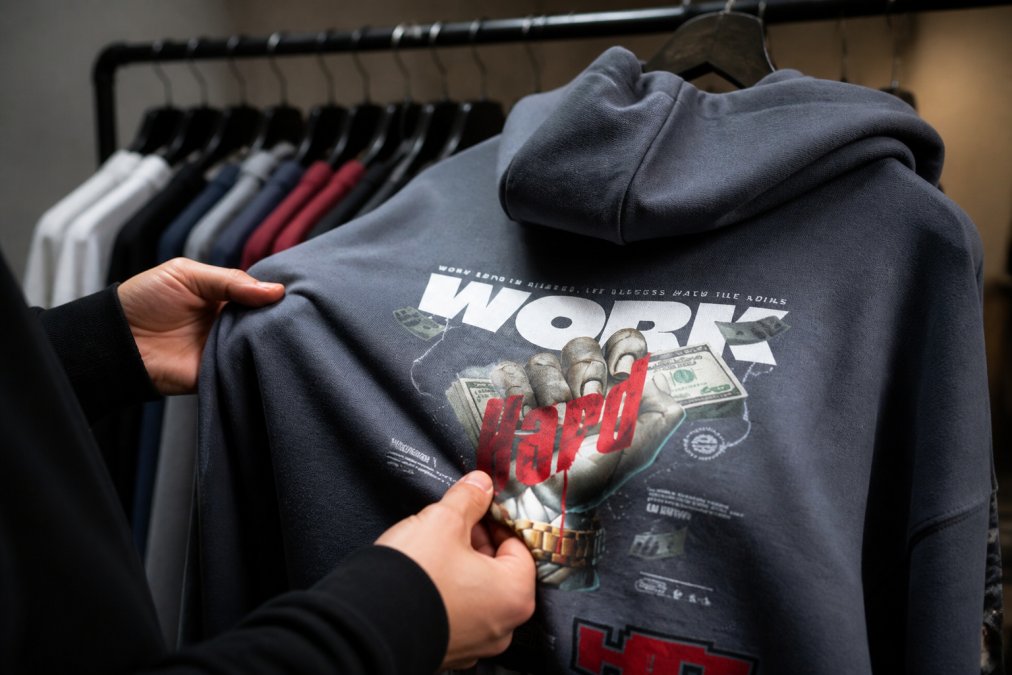
At Henk The Tank, we see every day that customers are willing to spend more when they understand what they’re buying. Our HTT Work Hard Heavy Blend Hoodie costs 37.50 euros, but the 271-grams-per-square-meter fabric ensures that this hoodie will last for years.

Many streetwear brands make you pay for the brand, not the product. You find real value when you feel the fabric, inspect the seam finishing, and know what you’re paying for in terms of visible quality.
Three factors determine whether you’re getting good value for money in streetwear:
- Material selection - which fabrics are used and how thick are they?
- Construction quality - are the seams strong and the finishing neat?
- Durability - how long does the product retain its shape after repeated wear and washing?
How to recognize fabric quality in streetwear
Most people touch the fabric and think they know whether it’s good. But feeling isn’t enough. You need to know what you’re feeling.
Cotton and polyester blends: what makes the difference
Cotton is streetwear fans’ favorite material, and rightly so. It breathes, feels soft, and becomes more comfortable the more you wear it. Combed cotton is better than regular cotton because the fibers are combed in the same direction, resulting in stronger yarn (peer-reviewed research). You can see this in products such as the HTT Street Attitude Oversized, made from 100% combed cotton weighing 260 grams per square meter.

Polyester gets a bad reputation in streetwear, but that’s unfair. A 50/50 blend of cotton and polyester, like the HTT Urban Chaos Hoodie, combines the best of both: the softness of cotton with the durability of polyester. Polyester prevents your shirt from shrinking and helps it retain its shape (peer-reviewed research).
Fabric weight and yarn type as quality indicators
Fabric weight per square meter (g/m²) is your best friend when assessing fabric quality. This number tells you how dense and heavy the fabric is.
Lightweight cotton shirts: 150-180 g/m² Standard t-shirts: 180-220 g/m² Premium hoodies: 260-280 g/m² Heavyweight hoodies: 280+ g/m²
The HTT Work Hard Heavy Blend Hoodie weighs 271 grams per square meter. A hoodie like this feels substantial, does not wrinkle easily, and retains its shape after dozens of washes.
Ring-spun yarn is better than standard yarn because it is stronger and has more twist (peer-reviewed research). This results in better color quality and less pilling. Air-jet-spun yarn is also good and still high quality.
Materials and fabrics: cotton versus synthetic
Cotton is breathable and feels natural, but it shrinks, ages under UV light, and can wear out easily. Synthetic materials such as polyester are stronger, dry faster, and retain their color better.
The smartest choice for streetwear is a blend. Polyester provides durability, cotton provides comfort. Spandex (2-5% in a blend) provides elasticity so your clothes do not stretch out quickly. This is why the HTT Heavy Blend Hoodie uses 50% cotton and 50% polyester.
What to avoid: shirts with more than 10% synthetic fibers when this is not clearly stated.
Sustainable streetwear brands and their value proposition
Truly sustainable brands invest in organic cotton, recycled fibers, ethical production, and timeless design. This costs more, but you are paying for impact and fewer chemicals in the environment.
Henk The Tank focuses on long-lasting quality. A hoodie that lasts five years instead of two is already sustainable, because you need to replace it less often.
Caring for streetwear clothing for long-lasting quality
You can buy the best hoodie in the world, but if you wash it incorrectly, it will quickly wear out.
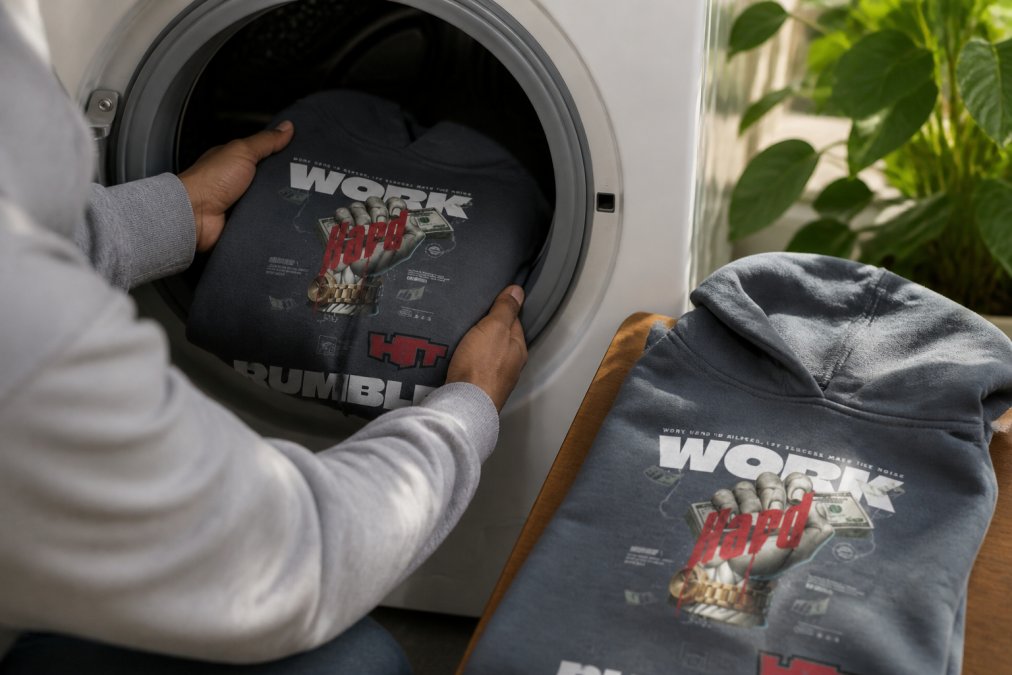
Basic rules for streetwear care:
- Cold water - warm water damages the yarn and can cause colors to fade
- Wash inside out – this protects prints and embroidery
- Mild detergent – strong chemicals damage the fibers
- No tumble dryer – always dry it flat
- Do not wash too often – airing it out is usually sufficient
- No bleach – it destroys the fibers
A 271-gram cotton-polyester-blend hoodie, properly cared for, easily lasts three to five years. Henk The Tank’s warranty is two years, but with proper care it will last much longer.
Where to find the best value for money
The price-per-wear-season model
Instead of looking only at the store price, calculate the actual cost per season you wear the clothing.
Example:
- Hoodie A: 25 euros, lasts 1 season
- Hoodie B: 50 euros, lasts 4 seasons
Hoodie A costs you 25 euros per season. Hoodie B costs you 12.50 euros per season.
Hoodie B is therefore cheaper in the long term, despite its higher purchase price.
To estimate this yourself, check three things:
-
Fabric weight × expected lifespan: A 271 g/m² hoodie made with ring-spun yarn lasts an average of 4–5 seasons. A 150 g/m² hoodie lasts 1–2 seasons.
-
Material-mix durability: A 50/50 cotton-polyester blend or 100% combed cotton lasts longer than 100% cotton.
-
Seam quality and finishing: Check photos of the seams (they should be straight and tightly stitched). Brands with sloppy finishing wear out faster.
Practical checklist for online purchases
Step 1: Gather material information
- Fabric weight per square meter
- Yarn type (ring-spun, air-jet, or standard)
- Percentage of cotton versus synthetic fibers
- Organic cotton or recycled fibers (bonus)
Step 2: Analyze customer reviews
- Look for reviews from people who have worn it for 2–3 months.
- Pay attention to comments about shrinkage, worn seams, color fading, and fit after washing.
- If multiple reviews say “worn out after just three washes,” avoid it.
Step 3: Calculate the price per season
Hoodie X: 35 euros, 260 g/m², 50/50 cotton-polyester, ring-spun yarn
- Expected lifespan: 4–5 seasons
- Price per season: 35 ÷ 4.5 = 7.78 euros per season
Hoodie Y: 20 euros, 160 g/m², 100% cotton, standard yarn
- Expected lifespan: 1–2 seasons
- Price per season: 20 ÷ 1.5 = 13.33 euros per season
Hoodie X offers better value for money, even though it is more expensive.
Where to find reliable information
Brand websites: Check whether they provide material information. Brands such as Henk The Tank state the exact fabric weight and yarn type.
Independent reviews: Look for blogs or YouTube channels that test streetwear and report on shrinkage, color fading, and wear.
Retailer reviews: Platforms such as Trustpilot or Google Reviews show customers’ long-term experiences.
Secondhand Sites: Check Vinted or Marktplaats to see how much people are asking for used versions. If a €40 hoodie is still worth €20 after a year, it was probably well made.
Common Mistakes When Choosing Streetwear
Mistake 1: Focusing Only on Price
A ten-euro shirt seems like a bargain until it is worn out after two weeks. You ultimately pay more because you have to replace it more often.
Mistake 2: Choosing Brand over Quality
A well-known brand is no guarantee of quality. Many major brands use cheap materials and charge you a brand premium. Always check the material, not the logo.
Mistake 3: Ignoring or Misunderstanding Fit
Streetwear is all about how it fits. Streetwear comes in three basic fits: slim fit (close to the body), regular fit (neutral), and oversized fit (plenty of room).
The Sizing Problem:
Brands use different sizing systems. A size M from brand A may fit very differently from a size M from brand B. Always check:
- Chest circumference: For an oversized fit, you should have at least 10–15 cm of extra room.
- Length: Streetwear hoodies should reach your hips.
- Sleeve length: Your sleeve should reach your wrist.
- Shoulder seam: This may sit slightly lower, but no more than 2–3 cm past your shoulder.
How to choose the right size:
- Always check the brand's size chart
- Measure a hoodie you already own that fits well, and compare the measurements
- Read reviews from customers with the same body type
- For oversized fits: choose one size larger than you would normally wear
Mistake 4: Following Trends Blindly
Oversized hoodies are popular now, but that doesn't mean you need to buy ten. Choose two or three basic colors in quality fabrics that you can wear for years.
Mistake 5: Ignoring the Care Label
Many people wash their hoodie at 60 degrees and tumble-dry it. Read the instructions. Cold water, flat drying, and mild detergent can add years to its lifespan.
Mistake 6: Looking Only at Photos
Always check what other customers say about how it feels and how it holds up after weeks of wear. Look for phrases like "feels thick", "soft after washing", and "keeps its shape".
Mistake 7: Not Paying Attention to Stretch
A hoodie without elastic fibers (spandex) will stretch out after repeated wear. Check whether the material contains 2–5% spandex.
Conclusion
You can assess value for money in streetwear by checking three things: the fabric weight (heavier is better), the type of yarn (ring-spun or air-jet), and the material blend (cotton-polyester is a smarter choice than cotton alone).
The cheapest option is rarely the best choice. A €37.50 hoodie that lasts five years is better than a €10 shirt that wears out after two months. Henk The Tank offers streetwear made with combed cotton, premium fabric weights, and clear materials information, so you know what you are buying. With a 2-year EU warranty and proper care, our clothing lasts much longer. Add our HTT Work Hard Heavy Blend Hoodie or HTT Urban Chaos Hoodie to your cart and build a wardrobe that is genuinely durable.
Frequently Asked Questions
How do I know whether streetwear is genuinely good quality and not simply expensive?
You can recognise genuine quality in streetwear by the fabric weight (at least 260 g/m² for T-shirts and 271 g/m² for hoodies), the composition (combed cotton is better than standard cotton), and the finish of the seams and prints. Also check whether the fabric feels good, whether the colours do not fade immediately, and whether the garment retains its shape after washing. Cheap streetwear feels thin, has poor seams, and wears out quickly.
What is the difference in value for money between 100% cotton and cotton-polyester blends?
100% combed cotton, such as the HTT Snow Wash Premium T-Shirt, is more breathable and feels more luxurious, but it can shrink more quickly. Cotton-polyester blends (50/50, as in the HTT Heavy Blend Hoodie) are stronger, retain their shape better, and cost less. For streetwear, a good blend is often the best compromise: you get comfort and durability without an exorbitant price. The key is how well the cotton has been processed (pre-shrunk, combed yarn).
Are sustainable streetwear brands always more expensive?
Not always. Sustainable brands that use recycled fibres or organic cotton have higher purchase costs, but not all brands pass those costs on to consumers. Some limit their margins or reduce production costs in other areas. What matters is whether the brand is transparent about where that additional cost goes: better working conditions, certifications, or genuinely better materials. Always check whether the brand complies with EU standards, such as the GPSR.
How long does a good streetwear garment really last?
A premium streetwear hoodie or T-shirt of good quality lasts at least 3–5 years with normal use and proper care. Henk The Tank offers a 2-year EU warranty on all products. Its lifespan depends on how you wash it (in cold water, inside out), how you dry it (not in a dryer), and how often you wear it. Cheap streetwear often starts to wear out or fade after just 1–2 seasons.
This article was written using GrandRanker