

Streetwear and hip-hop: culture and style
Table of contents
- How hip-hop defined streetwear: from the 1970s to today
- Essential streetwear items for an authentic look
- Music videos, graffiti, and the visual revolution
- From underground to luxury: hip-hop’s influence on haute couture
- How to combine streetwear with style and purpose
- Drops, resale, and digital hip-hop subculture
- Conclusion
- Frequently Asked Questions
Last updated: September 2, 2026
How hip-hop defined streetwear: from the 1970s to today
Streetwear and hip-hop are inextricably linked. This is not just a fashion phenomenon; it is a cultural movement that has changed the way the world dresses. What began as an expression of rebellion and authenticity in the underground music scene has grown into a multibillion-dollar industry that is forcing luxury brands and fashion houses to reinvent their identities.
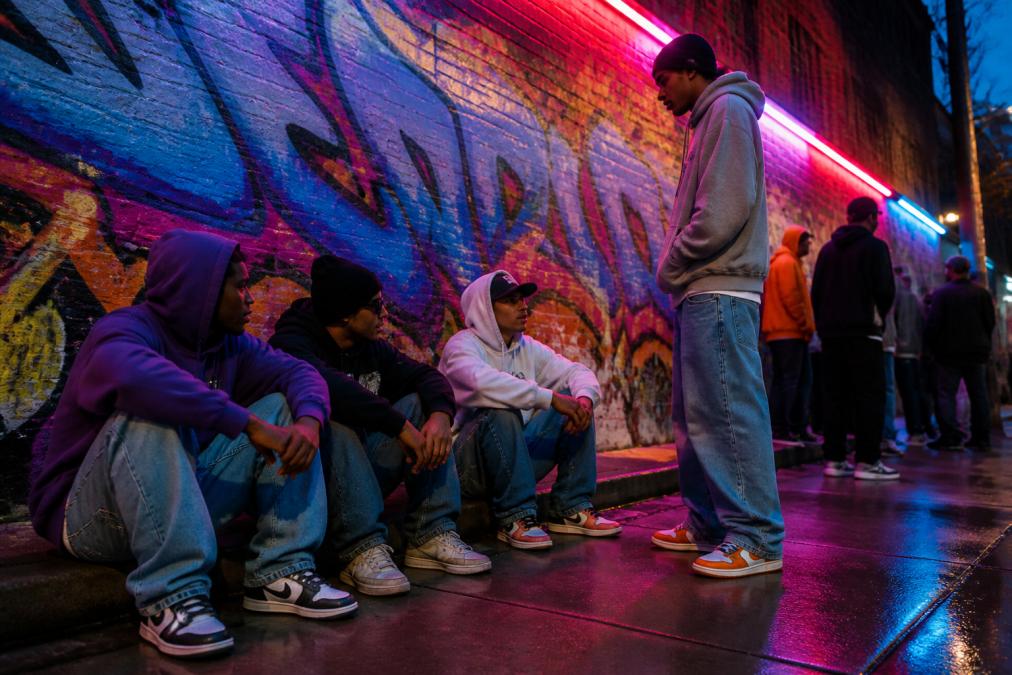
The link between hip-hop and streetwear does not begin with Instagram influencers or online drops. It begins with people who want to stand out but cannot afford haute couture. It begins with creativity under pressure. And that is exactly why it has proved so powerful.
The Bronx and the birth of urban fashion
In the 1970s, the Bronx and other parts of New York were hardly open territory for fashion photographers from prestigious magazines. Yet something radical happened there: young people created an entirely new visual ecosystem. They wore sportswear not because it was affordable, but because it was authentic, because it reflected their identity.
The first hip-hop artists wore Adidas sneakers, Kangol caps, and Puma tracksuits. These were not deliberate fashion combinations. They were the clothes you could buy, afford, and use to project your energy and ambition. What is fascinating is that these choices were not dictated by a designer in Paris or Milan. They came from the real streets, from the need to express yourself with what you had.
Graffiti artists wore oversized clothing because it was practical—you need room to move your legs when you spend three hours working on a train car. Breakdancers wore baggy silhouettes because they needed freedom of movement. Every choice had a reason. And that authentic foundation is what sets streetwear apart from other fashion fads that come and go.
The Bronx was the laboratory. The streets were the mood board. And hip-hop culture was the catalyst that allowed this visual language to spread and evolve.
Baggy silhouettes and sportswear as a statement
The oversized fit did not happen by accident. It is a statement. In the 1980s and 1990s, hip-hop artists wore baggy jeans and oversized hoodies not because tailoring was bad, but because it represented freedom. Literally and figuratively.
Sportswear became the hip-hop uniform. Nike, Adidas, Puma, Champion—these brands were never intended to be fashion labels. They were functional. They were affordable. And suddenly, they were the most coveted items on the street. This is where streetwear discovers its superpower: it takes something that already exists and gives it new meaning.
The baggy aesthetic was also a form of subtle rebellion. By the end of the 1980s, mainstream fashion was tight-fitting, tailored, conservative. Hip-hop said: no. We are going bigger, louder, taking up more space. And that was not just clothing; it was an ideology.
What many people forget is that these oversized silhouettes were also practical for an underground culture. You could hide things. You could move freely. You could remain anonymous if you wanted to. The baggy fit was liberation wrapped in denim.
Essential streetwear items for an authentic look
Authentic streetwear is not about having everything. It is about understanding what each piece means and why it is there. An authentic look is a story, not a checklist.
The hoodie is the foundation. This is not just comfortable clothing; the hoodie is the uniform of someone who wants to be visible while maintaining distance. Look at the HTT Urban Chaos Hoodie—this is streetwear that understands what it means. The front is clean, but the back is a statement. That is authentic design: understated where it needs to be and expressive where it matters.
Baggy jeans are essential, but not because everything has to be oversized. It is about proportion. An oversized hoodie balanced with loose-fitting jeans creates movement and space. This is fundamentally different from someone who randomly puts on oversized clothes.
Sneakers determine everything. This is not hyperbole. In hip-hop culture, your feet are your first statement. Classic silhouettes—Adidas Stan Smiths, Nike Air Force 1s, Puma Suedes—remain relevant because they are fundamentally well designed. They are not fleeting. They are architecture.
Caps and headwear carry weight. A Kangol, a trucker cap, a snapback—these are not accessories. They are pieces of identity. They determine how your face is seen and how your attitude is perceived.
Graphic T-shirts are the voice of your outfit. While your hoodie and jeans form the foundation, your T-shirt is what you say. A strong graphic tee speaks without words. The HTT Street Attitude Oversized T-Shirt understands this: heavyweight cotton, a clear design, no distractions.
Layering is where amateurs get it wrong. Authentic streetwear styling is about contrast and intention. You combine pieces that enhance rather than weaken one another. An oversized hoodie over a fitted tee. A baggy shirt under a tailored vest. This is where streetwear culture truly comes alive—in the subtle balance.
| Item | Function | Why it matters | Styling tip |
|---|---|---|---|
| Hoodie | Base layer | Comfort + statement | Oversized silhouette, graphic back print |
| Baggy jeans | Proportions | Freedom of movement | Not everything has to be oversized, only what matters |
| Sneakers | Foundation | First impression | Classic silhouettes remain relevant |
| Graphic tee | Voice | Personal expression | Heavyweight cotton, clear design |
| Cap/Headwear | Accent | Attitude setter | Quality over trend |
Music videos, graffiti, and the visual revolution
The 1990s were when streetwear jumped from the underground into the mainstream. And it didn’t happen in stores. It happened on MTV.
Music videos became the fashion runway. When Tupac appeared in an oversized Guess shirt and baggy jeans, it wasn’t just clothing. It was a visual code. Millions of young people watched and said: I want to be that. This is how streetwear spreads—not through advertising, but through aspiration. Through identity.
Graffiti art and streetwear have always been sister art forms. Both are subversive. Both use public space as a canvas. Both are about saying something without asking for permission. Many hip-hop brands incorporated graffiti elements into their designs, not as decoration, but as a tribute to the culture they came from.
The visual revolution was also about colors and contrast. Neon, metallics, bold graphics—these were not subtle choices. This was intentionally loud. It was saying: look at me. And that was radical at a time when mainstream fashion was neutral and understated.
What many people miss is that this visual language emerged organically. There was no mood board. There was no art director saying, “Let’s try oversized silhouettes.” It was real people interpreting their surroundings and expressing them through clothing.
From underground to luxury: hip-hop’s influence on haute couture
This is where the story gets interesting. Around the year 2000, luxury brands began to notice that streetwear was worth billions. And they wanted a piece of it.
At first, they tried to copy it. They made oversized hoodies with designer labels. They added graffiti elements. But it felt inauthentic. Because it was. These brands didn’t understand that streetwear isn’t about the product; it’s about the culture behind it.
Then something interesting happened. Some luxury brands began hiring real hip-hop artists and designers. They acknowledged that they weren't the authority. That they had to learn from the culture that had created this. This led to authentic collaborations that connected both worlds.
Today, streetwear is no longer underground. It's mainstream. Supreme, Off-White, Stüssy—these brands are now just as valuable as classic luxury houses. And the interesting thing is that they've changed the luxury industry. They've learned that exclusivity doesn't come from price tags. It comes from culture. From authenticity. From scarcity.
Hip-hop taught haute couture that you don't always have to explain everything. That mystery and rough edges have appeal. That you can trust your audience to understand the code.
How to combine streetwear with style and purpose
This is where many people get it wrong. They think wearing streetwear means combining as many oversized items as possible. That's not true. That's playing dress-up.
Authentic streetwear styling is about intention. Every choice should have a reason. Why this hoodie? Why these jeans? Why these sneakers? If your answer is "because they're oversized," you're not finished.
Start with your foundation. These are your neutral-colored basics: black jeans, a white tee, a gray hoodie. This is your canvas. Build from here. A graphic tee adds personality. A distinctive sneaker adds attitude. A cap adds an accent.
Color is important, but not in the way fashion teaches you. In streetwear, contrasting colors work better than coordinated palettes. Black with neon. Dark gray with white. This is intentional. This is not accidental.
Proportions determine everything. If you wear an oversized hoodie, your jeans can't also be oversized. Your silhouette becomes shapeless. Balance is where amateurs and professionals separate. An oversized top calls for fitted bottoms. An oversized bottom calls for a fitted top. This is geometry, not fashion.
Authentic streetwear is also about respecting where it comes from. This is not just clothing. This is a language. This is culture. When you wear it, you wear a story. Make sure you understand and respect that story.
Drops, resale, and digital hip-hop subculture
Modern streetwear culture plays out on Discord, Reddit, and sneaker apps. This is where the real action is. Drops are no longer something you buy in a store. They are events. Rituals. Economic moments.
A drop works like this: a brand announces that on Friday at 10 a.m. it will release 500 pieces of a limited-edition hoodie. Exactly 500. No more. What happens? Thousands of people are ready. Bots try to log in. Servers crash. And if you're successful, you've bought something that is worth twice its original price within hours.
This isn't a coincidence. This is psychology. This is scarcity as a marketing tool. This is hip-hop culture rewriting the economics of fashion.
The resale market is enormous. Platforms like Grailed, StockX, and Depop are where serious streetwear collectors trade. An original Supreme hoodie from 2005 can be worth thousands of euros. This isn't because it was made better than modern Supreme. It's because it's rare. Because it's history. Because it carries culture.
What's interesting is that this has changed the way brands produce streetwear. They now understand that exclusivity is worth more than volume. That a drop of 500 pieces generates more revenue than a drop of 5,000 pieces. This is hip-hop logic that has taken over the entire industry.
The digital subculture also means that geographical boundaries are disappearing. A young person in Amsterdam can buy the same drops as someone in New York. Have the same conversations. Be part of the same culture. This democratizes streetwear, but it also centralizes authority. The brands determine what matters. The algorithms determine who sees it. This is a new kind of power.
Conclusion
Streetwear and hip-hop are not separate phenomena. They are one thing. They have always been one thing. Hip-hop gave streetwear its soul. Streetwear gave hip-hop its visual language. Together, they have changed the way the world dresses.
What began as rebellion in the Bronx is now a multibillion-dollar industry. What began as practical choices is now a culture. And what began as something you couldn't buy in ordinary stores can now be bought everywhere, but only the authentic versions truly count.
If you want to wear streetwear, wear it with intention. Understand where it comes from. Respect the culture. And choose items that say something. That's all that matters.
Want to build an authentic streetwear look? Start with fundamental pieces that combine quality and design. The HTT Anonymous Streetwear T-Shirt and the HTT Original Rude Boys Heavy Hoodie are designed with this philosophy in mind. They understand that authentic streetwear isn't about trends; it's about culture, quality, and intention. Add them to your cart and start your story.
Frequently Asked Questions
Q: What is the origin of hip-hop streetwear, and why is it still important?
A: Hip-hop streetwear originated in the Bronx in the 1970s as an expression of subculture and authenticity. It grew out of graffiti, breakdancing, and music as a way for young people to express their identity without spending much money. Today, it remains important because it represents genuine urban culture and conveys values of creativity and individuality. HTT offers bold graphics and accessible designs that democratize streetwear.
Q: What essential streetwear items do I need for an authentic hip-hop look?
A: For an authentic hip-hop look, you need oversized hoodies (such as the HTT Urban Chaos Hoodie), baggy jeans, heavyweight T-shirts with bold prints, and sneakers. Accessories such as caps and crossbody bags complete the fit. The key is quality and proportion: heavyweight fabric provides durability, and oversized fits create the right silhouette. HTT's graphic hoodies and T-shirts offer these essential items with bold designs that express the spirit of urban culture.
Q: How does authentic hip-hop streetwear differ from fast fashion?
A: Authentic hip-hop streetwear focuses on quality, durability, and cultural significance, while fast fashion copies trends without context. Genuine streetwear brands use heavyweight cotton, limited editions, and drops—scarcity marketing that creates collectible value. Fast fashion mass-produces cheap items without cultural grounding. HTT's approach, featuring heavyweight 271 g/m² fabric and combed ring-spun cotton, reflects the authentic streetwear philosophy of quality over quantity.
Q: Why is the resale market important for hip-hop streetwear?
A: The resale market is crucial because it creates collectible value and promotes sustainability. Limited drops and exclusive releases become collectibles, making resale platforms such as Grailed and Depop popular. This encourages circular fashion instead of disposal, aligning with modern sustainability values. For hip-hop streetwear, this means items retain their value and subcultural authenticity is recognized as economic value, not just style.
Streetwear and hip-hop continue to evolve. What matters is understanding why you choose what you wear. In a world of trends and algorithms, authenticity is rare. Make it yours. With HTT Streetwear, you choose designs that understand this.
This article was written using GrandRanker