

Streetwear Styling in Winter: 7 Tips for Warmth
Table of contents
- Why streetwear and winter are a perfect match
- The layering technique for streetwear in winter
- Combining oversized hoodies in winter
- Streetwear accessories for winter
- Mixing textures and fabrics for warmth and style
- Color and Silhouette: Complete Your Winter Outfit
- Making the Most of Your Winter Wardrobe
- Common mistakes when styling winter streetwear
- Frequently Asked Questions
**
Why streetwear and winter are a perfect match
Streetwear in winter is not a compromise between warmth and style. The relaxed silhouettes, layered looks, and comfort that define streetwear are perfectly suited to what the colder months demand. At HTT Streetwear, we see winter as the season when streetwear truly comes into its own.
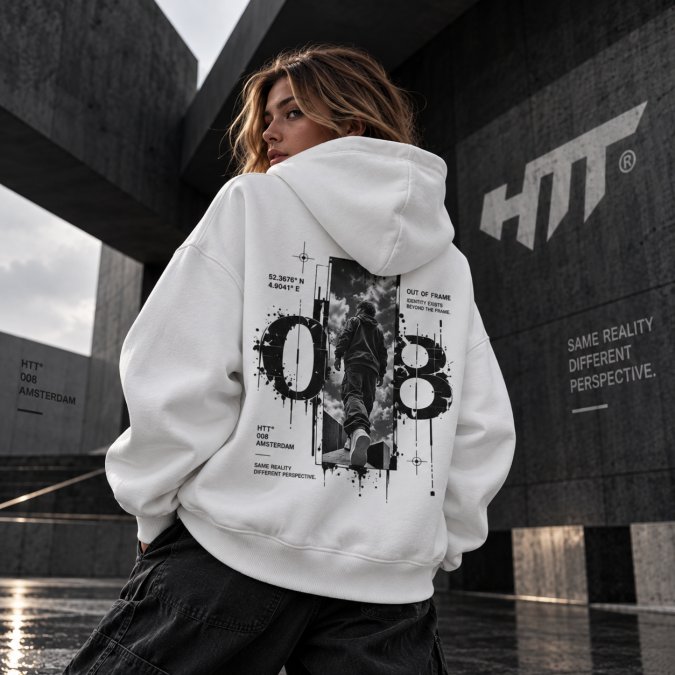
The layering technique for streetwear in winter
The streetwear layering technique uses three layers: a base layer that retains warmth, a mid-layer that insulates, and an outer layer that protects against wind and moisture. Each layer has its own function, and the combination determines whether you stay comfortable throughout the day.
The base layer: warmth without bulk
The base layer sits directly against your skin and wicks sweat away from your body. Choose a long-sleeve shirt or a thin turtleneck made from cotton or a technical moisture-wicking fabric. Avoid thick cotton shirts as a base layer: they hold on to sweat and cool down as soon as you go indoors.
The mid-layer: fleece and knitted textures
The mid-layer does the real insulating work. Fleece, knitted sweaters, and sweatshirts retain warmth without feeling heavy. This is also the layer where you can play most with texture: a knitted turtleneck under a hoodie creates a richer look than layering two smooth fabrics.
The outer layer: protection with style
The outer layer keeps out wind and rain. An oversized jacket, a padded coat, or a long parka in a sleek cut completes your look. Pay attention to proportions: if you wear an oversized jacket, keep the layers underneath slightly slimmer. Otherwise, your silhouette will disappear into the fabric.
Combining oversized hoodies in winter
Combining oversized hoodies in winter is easier than it seems, as long as you pay attention to proportions. The trick: one oversized piece per outfit, with the rest of your clothing in a slimmer or similar fit.
Choosing the right size for the perfect oversized look
An oversized hoodie is intentionally roomy. Choose your usual size for a classic streetwear fit, or one size larger for a looser silhouette. For our HTT Work Hard Heavy Blend Hoodie, we recommend exactly that: your usual size for a classic fit, and one size larger for a more oversized look.

Mixing hoodies with other garments
Pair an oversized hoodie with slimmer trousers or straight-leg jeans. This creates contrast in your silhouette. If you are wearing wide-leg trousers, choose a hoodie with a slightly less oversized fit.
Streetwear accessories for winter
Streetwear accessories for winter revolve around three things: warmth, texture, and a little attitude. A scarf, beanie, and gloves are not an afterthought; they often determine whether your outfit feels complete or not.
| Accessory | Why it works | What to look for |
|---|---|---|
| Knitted scarf | Adds texture and color | Thick knit, neutral or bold shade |
| Beanie | Warmth and urban appeal | Subtle logo, good fit |
| Gloves | Protection without bulk | Leather or quilted, not too thick |
| Sturdy boots | Warm, dry feet | Thick sole, water-repellent material |
Mixing textures and fabrics for warmth and style
Mixing textures is what takes a winter outfit from flat to interesting. But in winter, it is not only about how fabrics look; it is about how they perform when it is dry and freezing or wet and harsh. That distinction makes the difference between a look that works all day and an outfit that is soaked through after one shower.
Dry cold: insulate without moisture problems
In dry cold, your biggest enemy is not rain but heat loss from wind and escaping body heat. This is where natural and knitted fibers perform at their best:
- Wool and wool blends retain warmth even when they absorb a little moisture, and they breathe well. A knitted wool turtleneck or scarf is warmer in dry frost than any synthetic alternative of the same thickness.
- Fleece (polyester) is lightweight, dries quickly, and insulates even when it becomes damp. Ideal as a mid layer under a jacket.
- Washed cotton and heavyweight jersey feel heavy and warm, but retain sweat. Wear them as a mid layer, not directly against the skin.
Wet winter days: repel water and dry quickly
In rain and wet snow, the priority shifts completely. Wet clothing actually cools your body, so you want fabrics that repel water or dry quickly:
- Nylon and polyester with a water-repellent finish (DWR) make rain bead up and dry quickly. A nylon outer layer over a fleece mid layer is the classic combination for wet days.
- Denim provides moderate insulation and dries slowly. Wet jeans feel cold and heavy; wear denim on dry days or choose a water-repellent version.
- Cotton absorbs water and then loses its insulating properties. Avoid wearing a thick cotton hoodie as an outer layer in the rain; use it as a mid layer under a waterproof jacket.
Building contrast in texture
Combine smooth fabrics with knitted or washed textures, and your look gains depth without needing more layers. Think of combining nylon, fleece, denim, and cotton. A shiny nylon jacket over a matte fleece hoodie creates contrast. A washed cotton hoodie paired with rough denim feels deliberately put together.
HTT Work Hard Heavy Blend Hoodie →
Color and Silhouette: Complete Your Winter Outfit
A winter outfit only becomes strong when the color and silhouette work together. Work with a limited color palette and let one piece draw attention.
Making the Most of Your Winter Wardrobe
A winter wardrobe that works comes down to a few smart choices. Invest in basics you wear often, and alternate them with statement pieces that give your look character. But just as important: how you care for those pieces determines how long they stay looking good and how well they continue to perform in the cold.
Building a Winter Wardrobe
These are the steps we recommend:
- Choose two or three base layers in neutral colors that you can combine endlessly.
- Add one or two mid-layers with texture, such as fleece or a knitted sweater.
- Invest in a sturdy outer layer that keeps out wind and moisture.
- Choose accessories that add warmth and style, not just warmth.
- Work with a limited color palette so everything goes together.
Caring for Technical Fabrics
Technical fabrics such as nylon and polyester with a water-repellent finish require different care from cotton. Most people wash them too hot or use too much detergent, causing the DWR coating to wear out faster and the fabric to lose its water-repellent performance.
- Wash technical outer layers at a maximum of 30°C with a mild, liquid detergent. Fabric softener and powdered detergent clog the fabric's pores and break down the water-repellent coating.
- Do not use bleach and avoid tumble-drying at high temperatures; heat can damage the coating. Air-dry technical garments.
- Reactivate the DWR coating by briefly tumble-drying the jacket on a low setting after washing or carefully ironing it according to the care label. The heat helps restore the finish.
- Wash fleece inside out and avoid high temperatures; fleece can pill and lose its insulating properties.
Caring for Cotton and Knitted Garments
Hoodies, sweatshirts, and knitted sweaters require a different approach:
- Wash hoodies inside out at a maximum of 30°C, avoid bleach, and never iron directly over a print.
- Hand-wash knitted wool or use a wool cycle with wool detergent. Lay the garment flat to dry instead of hanging it; wet wool stretches under its own weight.
- Air-dry cotton whenever possible. The dryer causes shrinkage and wears down the fibers.
Repairs that make a difference
Small adjustments can significantly extend the life of your favorite pieces. A loose seam at a pocket or hood can easily be repaired before it tears further. A missing button or broken zipper is often a matter of a few minutes. And a hoodie whose print is starting to crack slightly can be washed inside out to slow further wear.
Common mistakes when styling winter streetwear
The most common mistake is piling on too much volume. An oversized hoodie, a loose jacket, and a thick scarf together make your silhouette look shapeless. Choose one oversized piece and keep the rest in proportion.
Frequently Asked Questions
How do you layer streetwear without making it too bulky?
Choose a thin thermal base layer, add a medium-weight fleece or knitted sweater, and finish with an oversized jacket or hoodie. Avoid layering too many thick fabrics. A 271 g/m² hoodie like our Heavy Blend hoodies works well as a mid-layer without extra bulk. Keep the outer layer slightly roomier so everything drapes smoothly and your silhouette is preserved.
Which fabrics are best for winter streetwear?
Cotton-polyester blends such as 50% pre-shrunk cotton and 50% polyester provide warmth and shape retention. Fleece, nylon, and denim also work well. Choose fabrics with a weight of at least 271 g/m² for real warmth. For extra insulation without bulk, you can consider technical fabrics. Our hoodies use air-jet-spun yarn to reduce pilling, which helps extend their lifespan.
How do you style an oversized hoodie elegantly in winter?
Combine an oversized hoodie with long, slim trousers or straight-leg jeans to create balance. Add a long coat or trench coat for a layered look. Choose neutral colors as a base and use accessories such as a scarf or beanie for contrast. Our oversized hoodies have a relaxed fit; choose your usual size for a classic look or one size larger for extra volume.
Which shoes work best with a winter streetwear outfit?
Sturdy leather boots, lined sneakers, or high-top sneakers with a thick sole work well. Choose water-repellent materials for wet days. Make sure your shoes are darker than your trousers for a grounded look. Combine them with thick socks for extra warmth.
Winter calls for clothing that delivers warmth and style at the same time, and that is exactly where streetwear excels. With HTT Streetwear, you design your outfit not as a compromise, but as a statement. Explore our HTT Streetwear collection and our premium hoodies for pieces that complete your winter look. Add your favorite to your cart and wear your identity, even during the coldest months.