

Why combed ring-spun cotton is better
Table of contents
- What is combed ring-spun cotton?
- The difference between carded and combed cotton
- Why combed ring-spun cotton feels softer
- The best cotton for printing and personalization
- Durability and lifespan of combed cotton
- Combed ring-spun cotton versus other materials
- Conclusion: why it is worth the extra cost
Last updated: August 5, 2026
What is combed ring-spun cotton?
Combed ring-spun cotton is a premium textile fiber created through two advanced production processes. Ring-spun means that cotton fibers are twisted using a ring-spinning technique, which provides extra strength and smoothness. The combing process removes short fibers and irregularities, leaving only the longest, strongest fibers.
The result is a fabric that feels softer, lasts longer, and withstands repeated washing better than standard cotton. At Henk The Tank, we use combed ring-spun cotton for products such as our HTT Judgement Limited T-Shirt because it combines comfort with durability. Textile production requires more care than standard cotton, which increases the cost, but this is directly reflected in better performance.

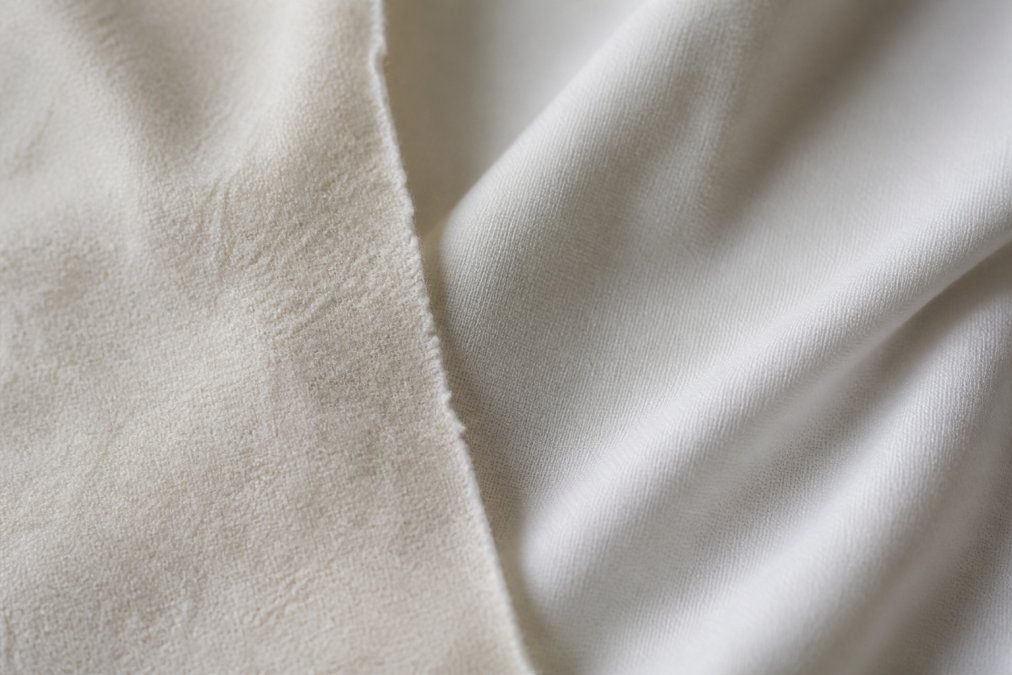
The difference between carded and combed cotton
How the combing process improves fiber quality
Carded cotton undergoes a basic process in which the fibers are roughly carded. The combing process goes much further: it removes short fibers, irregularities, and impurities. This results in cleaner, more uniform yarn quality.
Carded cotton contains more short fibers and irregularities, while combed cotton uses only the longest, strongest fibers. This makes combed cotton stronger, softer, and less prone to pilling. Under microscopic examination, combed cotton is much smoother, while carded cotton has many protruding short fibers that cause roughness.
In textile production, the combing process also affects how the yarn behaves. Combed ring-spun cotton has fewer irregularities and is better able to withstand stress during washing and wear. The tensile strength of combed cotton is demonstrably higher.
Why combed ring-spun cotton feels softer
The fiber structure: why length and uniformity determine softness
The softness comes from two factors: the removal of short fibers and ring spinning, which twists the fibers more tightly.
Carded cotton contains fibers of very different lengths. Short fibers (under 20 millimeters) remain in the material, stick out above the surface, and feel rough. They also cause fuzzing: when you wash the shirt, these fibers break off and form pills (pilling).
The combing process systematically removes short fibers. Only fibers longer than approximately 25–28 millimeters remain, creating a much more uniform yarn. Long fibers can lie perfectly against one another, producing a smooth, uniform surface. This is why combed cotton feels like silk compared with carded cotton.
Ring spinning: how the twisting technique enhances softness
Ring spinning twists fibers around a small metal ring, resulting in much tighter, more uniform yarn than open-end spinning (used in cheaper cotton).
This technique has three immediate effects:
-
Uniformity: The yarn has no thick or thin spots. Ring-spun yarn is consistent, creating a smooth surface.
-
Fiber alignment: The fibers lie perfectly parallel in the yarn. When it is woven into fabric, all the fibers face the same direction, creating a much smoother texture.
-
Yarn strength: Tightly twisted yarn means the fibers do not come loose easily, preventing roughness.
The combination of both processes makes combed ring-spun cotton exceptionally soft.
How softness is maintained after washing
Combed ring-spun cotton retains its softness after repeated washing. This is because the fiber structure remains stable.
With standard carded cotton, short fibers break off after a few washes, causing two effects: the surface becomes rougher and pilling develops. Combed ring-spun cotton does not have this problem. Since it contains no short fibers to begin with, the surface remains smooth and uniform, even after 50–100 washes. This is why streetwear enthusiasts prefer this material; the comfort is not temporary.
Tactile comparison: how you can test it yourself
You can feel the difference immediately:
-
Rub test: Combed ring-spun cotton feels smooth and silky. Carded cotton feels rough and grainy.
-
Surface test: Combed cotton is shiny and reflective. Carded cotton is matte and dull.
-
Pilling test: Carded cotton immediately forms pills. Combed cotton forms far fewer or no pills.
-
Skin test: Combed ring-spun cotton feels smooth all the time. Carded cotton starts to feel uncomfortable because short fibers rub against your skin.
The best cotton for printing and personalization
Combed ring-spun cotton is the best choice for printing because its smooth, uniform surface ensures that ink adheres better to the fabric. With carded cotton, ink sits against an uneven surface, causing irregular ink deposition. With combed ring-spun cotton, the ink lays down uniformly and sharply.
Printability is also better for long-term results. Ink adheres better to smooth fibers and breaks down less quickly during washing. This means your design will still look bright after dozens of washes.

For gaming merchandise, this is essential. You want your favorite character or logo to look perfect. Henk The Tank products retain their print much better than standard cotton because the printability of combed ring-spun cotton is superior.
Durability and lifespan of combed cotton
Environmental impact of the combing process
Combed ring-spun cotton has a higher environmental footprint during production than carded cotton, but this must be weighed against the lifespan of the finished product. The combing process removes approximately 10–15% of the raw cotton fibers, resulting in a fabric that lasts two to three times longer.
The combing process adds 200–300 liters of water per kilogram of yarn. This sounds significant, but when spread over the garment’s lifespan, the total water consumption per year of wear is lower than that of cheaper cotton that needs to be replaced annually. A combed ring-spun cotton shirt that lasts five years has a lower environmental footprint per year of wear than three cheap shirts that each last two years.
Much combed cotton is OEKO-TEX Standard 100 or GOTS-certified (Global Organic Textile Standard), which guarantees responsible production processes.
Lifespan and repeated washing
The true test of durability is how the material responds to repeated washing. Combed ring-spun cotton retains its structure much better than standard cotton.
The tensile strength of combed cotton is on average 15–20% higher, which means it is more resistant to the mechanical stress of washing. After 50 washes at 30°C, combed cotton shirts retain their shape, color, and softness much better. Standard cotton begins to show noticeable wear after 20–30 washes.
This difference becomes greater at higher temperatures. At 40°C or above, standard cotton degrades faster, while combed ring-spun cotton is much more resistant.
Proper washing instructions for maximum lifespan
To fully benefit from:
Temperature: Wash at 30°C or lower. This is the most important factor. At 30°C, the fiber structure remains intact and colors fade minimally.
Detergent: Use mild, color-safe detergent without optical brighteners. Strong detergents can damage the longer fibers.
Spin cycle: Limit to 800 revolutions per minute. High spin speeds cause unnecessary stress.
Drying: Hang dry or use a low dryer setting (below 60°C). High heat permanently damages the fiber structure.
Frequency: Wash only when necessary. A shirt worn twice a week can be washed monthly, which doubles its lifespan.
Comparison: total cost of ownership
When you calculate the total cost of ownership:
- Combed ring-spun cotton: €17.00 per shirt, 5–7-year lifespan = €2.43–€3.40 per year (based on HTT Judgement Limited T-Shirt)
- Standard carded cotton: €15–20 per shirt, 2–3-year lifespan = €6–10 per year
The initial investment is higher, but the annual costs are comparable or lower.
Combed ring-spun cotton versus other materials
How does combed ring-spun cotton compare with other fiber types?
| Material | Softness | Durability | Printability | Price |
|---|---|---|---|---|
| Combed ring-spun cotton | Very high | Very high | Excellent | Premium |
| Standard ring-spun cotton | High | High | Good | Standard |
| Carded cotton | Moderate | Moderate | Moderate | Budget |
| Polyester blend | Moderate | Very high | Good | Standard |
| 100% polyester | Low | Very high | Good | Budget |
Polyester is cheaper and more durable in terms of abrasion resistance, but it does not feel as good and does not breathe like cotton. Combed ring-spun cotton offers the best balance: it feels premium, breathes well, is durable enough for everyday wear, and looks good for years.
Conclusion: why it is worth the extra cost
Combed ring-spun cotton costs more than standard cotton, but the reasons are tangible and measurable. You pay for longer textile fibers, a better surface texture, higher tensile strength, and a material that retains its quality after hundreds of washes.
For gaming merchandise and streetwear, this is especially important. Your design stays sharp, your shirt still feels soft after months, and your investment retains its value. This is why Henk The Tank chooses combed ring-spun cotton for products such as our HTT Judgement Limited T-Shirt.
Its durability also means you need to replace it less often, which is better for your wallet and the environment. A combed ring-spun cotton shirt that lasts five years is better than three cheap shirts that each last two years.
If you are a streetwear fan who values quality, combed ring-spun cotton is not a luxury; it is a smart choice.
Frequently Asked Questions
What is the difference between combed cotton and regular cotton?
Combed cotton undergoes an additional combing process that removes short fibers, impurities, and air pockets. This results in longer, cleaner fibers that feel smoother and produce less lint. Regular (carded) cotton skips this step, resulting in a rougher surface and more lint. For streetwear, this means combed cotton stays looking good longer and feels more comfortable to wear.
Why is combed ring-spun cotton better for printing?
The smooth fiber structure of combed cotton provides the perfect foundation for printing. The ink adheres better to the surface and does not crack or peel after washing. Ring-spun cotton yarn adds extra strength, so prints on our HTT Judgement Limited T-Shirt (100% ring-spun cotton) remain sharp and vibrant, even after multiple washes.
Is combed ring-spun cotton more durable than standard cotton?
Yes. The combination of combed fibers and ring-spun yarn makes the fabric stronger and more resistant to wear. Combed cotton has fewer irregularities in its fiber structure, so it wears out less quickly. With proper washing instructions (cold water, inside out), clothing made from combed ring-spun cotton retains its shape and color for longer.
Why does combed cotton produce less lint than regular cotton?
The combing process removes short fibers and impurities that would normally come loose from the fabric. These short fibers form lint that accumulates in the washing machine and dryer. Because combed cotton contains far fewer of these loose fibers, it produces significantly less lint, helping your clothes stay looking good for longer.
Combed ring-spun cotton is not just a marketing term; it is a tangible improvement in textile quality that you can feel every day. At Henk The Tank, we choose this material because it aligns with what our community values: lasting quality, sharp designs, and clothing you can wear with pride. Discover our collection of combed ring-spun cotton items and experience the difference in comfort and durability for yourself.
This article was written using GrandRanker