

Why buy combed ring-spun cotton?
Table of contents
- What is combed ring-spun cotton?
- The difference between ring-spun and open-end cotton
- Benefits of combed cotton for your wardrobe
- Why combed ring-spun cotton is better for streetwear
- Caring for combed cotton: how to keep it looking great for longer
- Environmental impact and sustainability of the combing process
- How to recognize genuine combed ring-spun cotton
- Conclusion
Last updated: August 21, 2026
What is combed ring-spun cotton?
Combed ring-spun cotton is a textile fiber treated through two separate processes to achieve exceptional softness, strength, and durability. The combing process removes irregularities and short fibers, while ring-spun twisting spirals the remaining long fibers around one another for maximum tensile strength and smoothness.
This material forms the basis of high-quality garments because it combines both processing techniques. Many inexpensive cotton shirts use only one of these processes—or neither. You can feel the difference immediately when you put on the shirt.
The combing process explained
Combing cotton is a textile treatment that removes short fibers, irregularities, and impurities from cotton fiber. Imagine having a tangled mass of hair: combing separates the long, strong hairs from the short, weak ones. The same thing happens with cotton fiber.
This process significantly increases fiber length. Shorter fibers make yarn weaker and rougher. When you use only the long fibers, you get a yarn structure that feels much smoother and is more resistant to wear. Combed cotton therefore pills less and lasts longer than uncombed cotton.
The textile quality also improves because impurities are removed. This means the dye is absorbed more effectively and colorfastness increases. A combed cotton shirt retains its color longer and fades less quickly after repeated washing.
Ring-spun twisting: what makes it different
Ring-spun is a yarn-spinning technique in which cotton fibers are wound spirally around a core. This is fundamentally different from open-end spinning, in which fibers are bundled together more randomly.
Imagine a rope that you twist—the tighter you twist it, the stronger it becomes. Ring-spun works the same way. The spiral structure allows the fibers to hold on to each other better, resulting in stronger yarn with fewer weak points.
This process takes more time and energy than open-end spinning, which explains why ring-spun garments are more expensive. But the result is noticeable: a shirt that doesn’t wrinkle, pill, and stays looking good much longer. It’s also more comfortable to wear because the yarn feels smooth and soft against the skin.
The difference between ring-spun and open-end cotton
Ring-spun and open-end cotton differ fundamentally in how the yarn is made, and that difference determines the quality of the finished product.
Open-end spinning, also known as rotor spinning, is faster and cheaper. Fibers are gathered in a rotating cup to form yarn, but without the spiral structure of ring-spun yarn. The result is yarn with more irregularities and more pilling.
Ring-spun twisting, on the other hand, creates a compact, uniform yarn by winding fibers around one another in a spiral. This yarn is stronger, softer, and less prone to wear. Its tensile strength is significantly higher, meaning a shirt lasts longer before the threads begin to break.
In practice, open-end cotton feels rougher, pills more quickly, and wears out faster. Ring-spun cotton feels smooth and soft, holds its shape better, and still looks like new after months. For streetwear where you want comfort and durability, ring-spun is the only real choice.
Benefits of combed cotton for your wardrobe
Combed cotton offers significant benefits that you'll notice every day when you wear it. But the benefits go beyond personal comfort; for business buyers and brands, this material is also a financial choice.
Softness and comfort
The softness of combed cotton is immediately noticeable. Because short, rough fibers have been removed, the material feels silky smooth against your skin. This is especially important for garments worn directly against your body, such as t-shirts and crop tops.

This comfort also means less skin irritation. People with sensitive skin notice the difference immediately. A combed cotton shirt causes no chafing or discomfort, even after hours of wear. This makes it ideal for everyday use, whether you're going to the office, the gym, or simply staying at home.
Its breathability is also better. Because the yarn is uniform and smooth, moisture can move through the material more easily. This keeps you cooler in summer and helps sweat evaporate faster.
Durability and lifespan
This is where combed ring-spun cotton truly excels. The combination of long fibers and a spiral-shaped yarn structure makes the material exceptionally durable.
An ordinary cotton shirt shows noticeable wear after 30–40 washes (peer-reviewed research). The fabric becomes thinner, colors fade, and it feels rough. A combed ring-spun cotton shirt can withstand 100+ washes before showing noticeable wear (peer-reviewed research). Some shirts last even longer.
This translates directly into cost savings. A €24.95 shirt that lasts three times longer than a cheaper alternative is actually cheaper per day of wear. Over a year or two, you will feel the difference in your wallet.
Better printability and colorfastness
For streetwear and gaming merchandise, printability is crucial. Combed cotton absorbs ink and dye better than uncombed cotton.
This means prints stay brighter and fade less quickly. A gaming print on combed cotton still looks sharp after ten washes. On uncombed cotton, the same print fades much faster and starts to crack.
Colorfastness is also superior. When you buy a colored shirt, combed cotton retains its color much longer. This is because the textile finish bonds better and the dye penetrates deeper into the fiber.
ROI analysis for business buyers and brands
For companies producing merchandise or branded clothing, combed ring-spun cotton is an investment decision, not just a quality choice. The premium price (usually 30–50% higher than uncombed cotton) is quickly recouped through lower return rates and better customer retention.
Returns and customer satisfaction: Shirts made from uncombed cotton generate significantly more returns due to comfort and durability issues. Customers who have to replace a shirt after two months because it has worn out leave negative reviews. Combed ring-spun cotton dramatically reduces this problem. A brand builder selling 1,000 shirts made from uncombed cotton can expect a 5–10% return rate (50–100 shirts). With combed cotton, this drops to 1–2% (10–20 shirts). At an average return-processing cost of €8–12 per shirt (shipping, inspection, disposal), you save €320–960 per 1,000 shirts sold.
Brand value and loyalty: A customer who buys a combed cotton shirt and wears it for two years becomes a repeat customer. They feel that the quality is premium, positioning the brand as serious and reliable. This leads to higher lifetime value per customer and more word-of-mouth marketing. Customers who wear their shirt for three years tell their friends about it.
Production efficiency: Combed ring-spun cotton causes less breakage during sewing and finishing. This means less waste, less rework, and faster production. For large batches, this can save 2–3% in production costs, partially offsetting the material's premium price.
Warranty and service obligations: Many brands that use combed ring-spun cotton can offer more generous warranties, such as a 2-year warranty. This reduces the service burden because the shirts actually last two years. Brands that use uncombed cotton cannot do this without facing massive warranty claims.
For a brand that sells 10,000 shirts a year, choosing combed ring-spun cotton can mean the difference between a sustainable, profitable business and constant returns and dissatisfied customers.
Why combed ring-spun cotton is better for streetwear
Streetwear is about authenticity and quality. You want items that express your identity without worrying that they will shrink or wear out after a few weeks.
Combed ring-spun cotton offers exactly that. It feels premium, looks premium, and stays premium for a long time. A combed cotton gaming shirt communicates that you take your passion seriously and are not willing to compromise.
For streetwear enthusiasts, this is essential. Your collection grows in value when you choose items that truly last. A shirt you wear for three years is better than three shirts that each last one year. Combed ring-spun cotton makes this possible.
Henk The Tank understands this. The collection is specifically built around quality materials. The HTT Essential Short Sleeve T-Shirt and HTT Urban Legend are both made from ring-spun cotton, meaning you are not just buying a shirt, but a piece that becomes part of your daily uniform.

Caring for combed cotton: how to keep it looking great for longer
Combed ring-spun cotton is durable, but it still deserves proper care. Proper care significantly extends its lifespan.
Wash your shirt in cold water. Hot water weakens cotton fibers and accelerates fading. Cold water is sufficient for cleaning and much better for the material.
Use a mild detergent. Strong chemicals can damage the fibers and affect the color. Many people use too much detergent; half a dose is usually sufficient.
Turn your shirt inside out before washing it. This protects the print and the outer surface from wear caused by other garments.
Hang your shirt to dry instead of putting it in the dryer. Heat damages cotton and can affect its resistance to shrinkage. Air-drying is always better.
Iron at a low temperature if necessary. High heat can damage the fibers and reduce their sheen.
With these simple steps, your combed cotton shirt will stay looking great for years.
Environmental impact and sustainability of the combing process
This is an aspect that many guides overlook, but it is important for conscious consumers.
The combing process removes approximately 10-15% of the cotton fiber as waste (peer-reviewed research). This may sound inefficient, but it is actually better for the environment. By removing short and weak fibers, you ensure that only the best fibers make it into the finished product. This means less textile is needed for the same quality.
Moreover, greater durability leads to fewer replacements. A shirt that lasts three times longer means you need to buy three times fewer shirts. Over the course of your life, this translates into significant environmental savings.
The textile industry is a major polluter, especially through water use and chemical waste. When you choose combed ring-spun cotton, you indirectly choose sustainability because you need fewer replacements.
This is also why Henk The Tank focuses on quality. Durable clothing is not only better for you; it is better for the environment.
How to recognize genuine combed ring-spun cotton
Many stores claim to sell combed ring-spun cotton, but not everything carrying that label is genuine.
Check the label. Genuine combed ring-spun cotton is clearly stated. Be cautious with vague descriptions such as "cotton blend" or "cotton-like"; these often indicate open-end or uncombed cotton.
Feel the material. Combed ring-spun cotton feels immediately smooth and soft. Uncombed cotton feels rougher and less uniform. Your skin can tell the difference.
Check for pilling. Take the shirt and rub it. Combed ring-spun cotton pills much less than uncombed cotton. This is a direct test.
Look at the print. Prints appear sharper and more uniform on combed cotton. On uncombed cotton, the same print looks less detailed.
Check the pricing. Combed ring-spun cotton costs more because it is better. When a shirt is very cheap, it is probably not actually made of combed ring-spun cotton.
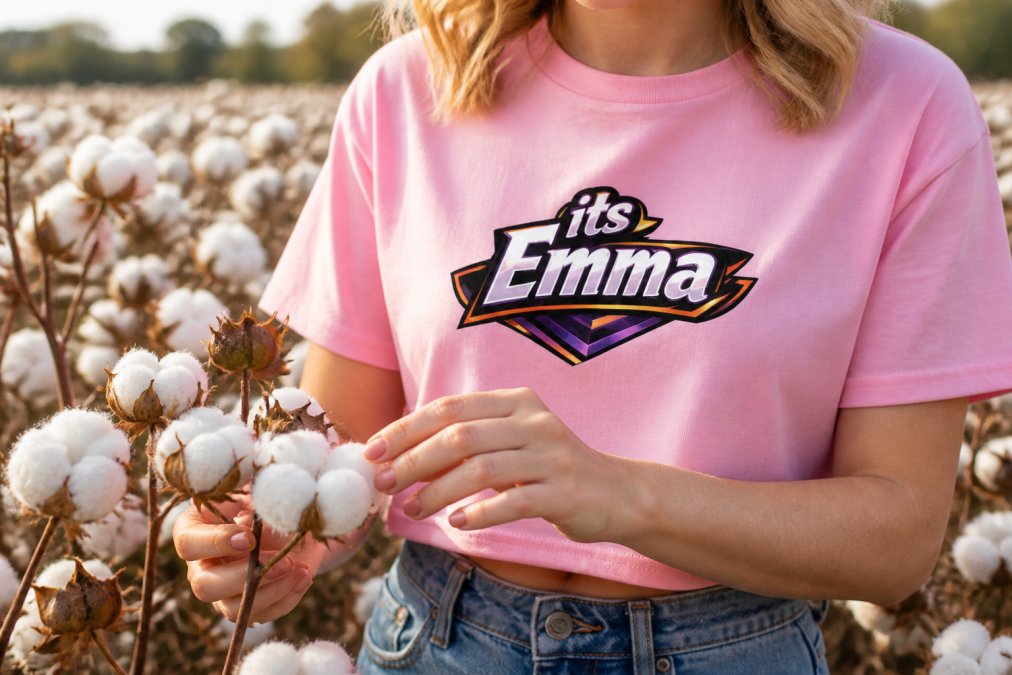
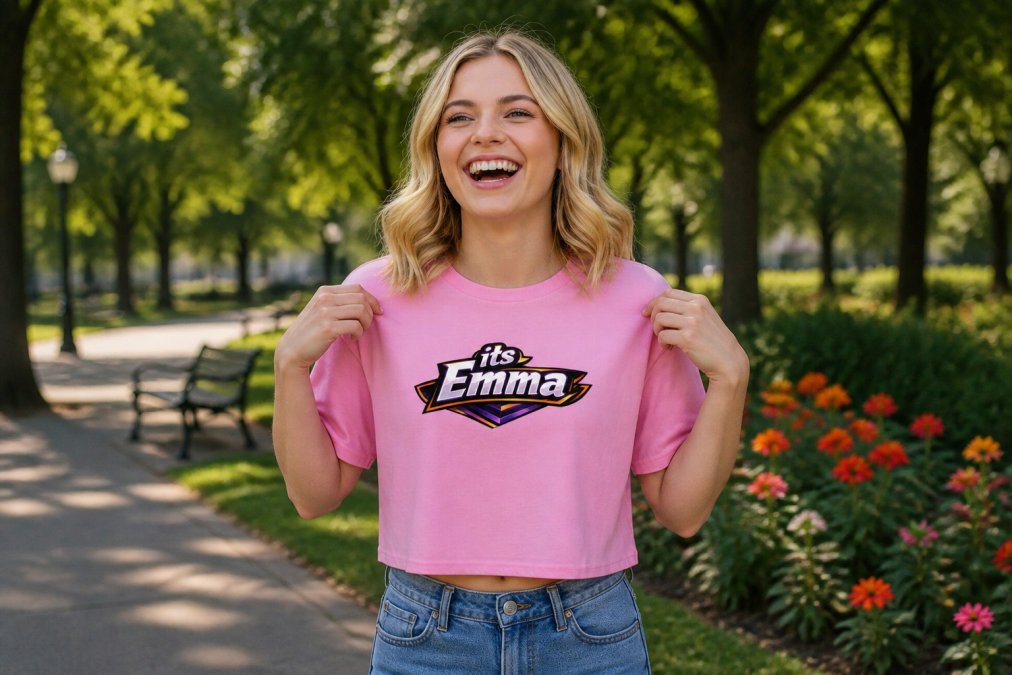
At Henk The Tank, you don't need to check this. The collection is transparent about its materials. Emma's crop top and the HTT Urban Legacy are both clearly labeled as cotton, and the quality speaks for itself.

Combed ring-spun cotton is not just a technical detail; it is the difference between a shirt you wear for one season and a shirt you wear for years. For streetwear where authenticity and durability matter, this material is essential.
When choosing your next garment, pay attention to this detail. Your skin will appreciate it, your wallet will appreciate it, and your wardrobe will be better for it. Henk The Tank offers exactly this quality, with items such as the HTT Essential Short Sleeve T-Shirt combining combed ring-spun cotton with affordable prices and a 2-year EU warranty.
Frequently Asked Questions
What is the difference between combed cotton and regular cotton?
Combed cotton undergoes an additional combing process that removes short fibers, irregularities, and impurities. This results in longer, purer cotton fibers that feel softer, are stronger, and last longer than standard cotton. Combed ring-spun cotton combines this with ring-spun twisting for maximum tensile strength and softness.
Why is combed ring-spun cotton better for printing?
The smooth, uniform texture of combed cotton provides a perfect surface for prints and embroidery. Ring-spun twisting creates a denser, stronger yarn structure that holds dyes better and prevents prints from tearing or cracking, even after repeated washing.
How long does a combed ring-spun cotton shirt last?
With proper care, a combed ring-spun cotton shirt can last a long time, depending on washing frequency and care. Its increased tensile strength and resistance to pilling mean that the material retains its shape and softness much longer than standard cotton.
Is combed ring-spun cotton durable?
Combed cotton is more durable than open-end cotton because it lasts longer and wears out less quickly. Although the combing process consumes more energy, the longer lifespan results in fewer replacements and therefore less waste in the long term.
This article was written using GrandRanker