

Why is streetwear clothing more expensive? 5 real reasons
Table of contents
- Why is streetwear clothing more expensive than fast fashion?
- The price breakdown: where exactly does your money go?
- Characteristics of high-quality streetwear: how to recognize the difference
- Why is organic cotton more expensive? The impact on your wallet
- Scarcity, exclusivity, and the psychology behind the price
- Sustainable streetwear for everyday use: a smart investment
- Conclusion: Is more expensive streetwear worth the money?
- Frequently Asked Questions
Last updated: September 7, 2026
Why is streetwear clothing more expensive than fast fashion?
The question of why streetwear clothing is more expensive than a standard T-shirt from a large department store begins with a fundamentally different premise. Fast fashion is about volume, speed, and low cost per piece; streetwear is about identity, quality, and scarcity. At HTT Streetwear, the focus is on what is actually in the garment.
The fact that streetwear clothing is more expensive is the logical result of smaller production quantities, more expensive materials, and a supply chain that takes people and the environment into account. While a fast fashion chain has tens of thousands of identical shirts produced at once, an independent streetwear brand often produces smaller runs. You miss out on those economies of scale, but in return you get quality control and a fairer price for the maker.
Below, we break down exactly where your money goes, how to recognize quality, and why a more expensive piece is often the better choice in the long run.
The price breakdown: where exactly does your money go?
When you compare the price of a streetwear hoodie with that of a fast fashion alternative, you see that the difference rarely comes down to one factor. It is the sum of materials, labor, the production process, marketing, logistics, and scarcity.
Production costs and choice of materials
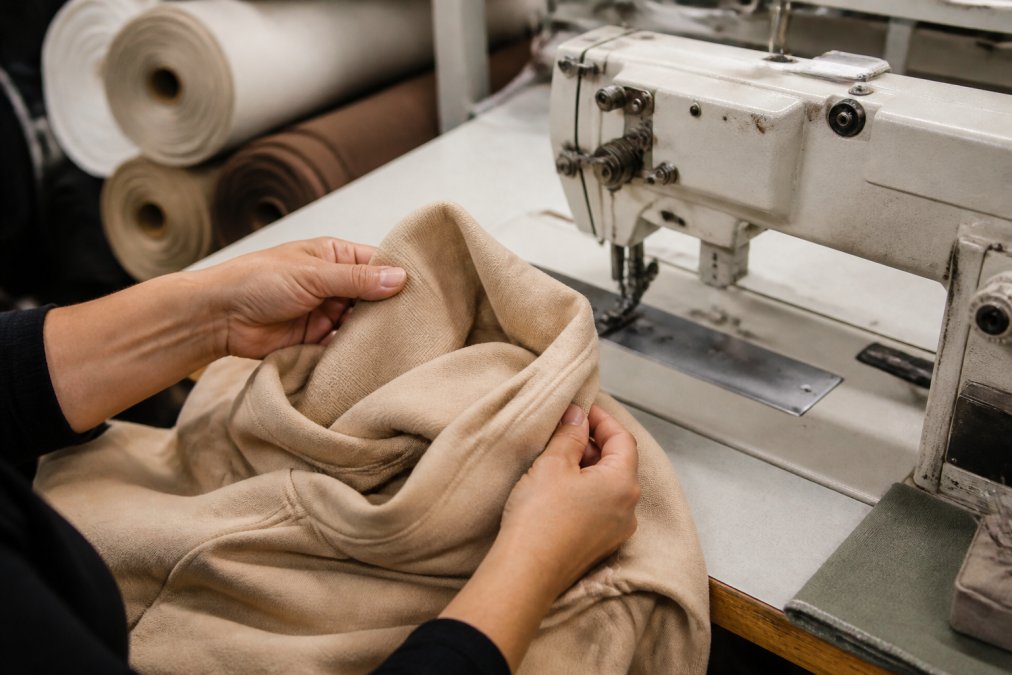
The biggest difference lies in the fabric. A good streetwear T-shirt quickly weighs 240 to 260 grams per square meter (GSM), compared with often around 150 grams for a fast fashion shirt. You can feel that weight immediately: heavier clothing drapes better, wrinkles less, and lasts longer. Quality brands use natural fibers such as organic cotton or combed ring-spun cotton, instead of cheap polyester blends that pill after a few washes. A heavyweight hoodie of 400 GSM or more is often made from thicker, brushed fleece on the inside, providing warmth and a luxurious feel that you do not find in a thin 240 GSM sweatshirt.
Production processes and economies of scale
The production process itself is a second crucial factor. Fast fashion brands benefit from enormous economies of scale; an independent streetwear brand often produces smaller runs, sometimes just a few hundred pieces per design. These smaller production runs mean that the purchase price per meter of fabric is higher and that the sewing factory can work less efficiently: it constantly has to switch to a different style, color, or size range. That changeover time costs money and is reflected in the final product.
In addition, quality control is often stricter for smaller production runs. Where a fast-fashion chain conducts random checks, a small brand can devote more attention to individual garments, reducing the chance of a crooked seam or misplaced print, but also requiring more labor hours per item. In the textile industry in countries such as Portugal or Turkey, wages are higher than in countries such as Bangladesh or Vietnam. Those fair wages and better working conditions are reflected in the retail price.
Logistics and distribution chains
A frequently overlooked expense is logistics. Fast fashion operates through a global network of distribution centers that continuously send new collections to thousands of stores; that scale makes transport per container affordable. An independent streetwear brand often sells directly through an online store, which means smaller shipments, higher shipping costs per item, and more expensive, more sustainable packaging. Many streetwear brands have their products made in Europe to ensure quality and shorten delivery times. Production in the brand’s own region is more expensive than in Asia, but offers greater control and a smaller ecological footprint.
Marketing budget and brand value
There is an important difference between major brands and independent labels. Fast-fashion giants spend huge marketing budgets on campaigns featuring well-known faces, billboards, and social media advertisements; you help pay that bill at the checkout. A brand like HTT Streetwear builds on recognizable designs. Streetwear brands also have to invest in brand experience: photo shoots, models, a strong online store, and customer service. These costs are relatively higher for a small brand than for a multinational that can spread them across millions of products.
Characteristics of high-quality streetwear: how to recognize the difference
You can recognize high-quality streetwear not only by its price, but primarily by specific characteristics of the garment itself, which can be checked with the naked eye before you pay.
Pay attention to the weight of the fabric. A heavy hoodie weighing 400 grams or more immediately feels different from a thin version. Also check the seams: are they tightly stitched and reinforced in areas that experience a lot of tension? Look at the print. A cheap print cracks after a few washes, while a high-quality print is integrated into the fabric or applied using durable techniques.
The fit also tells a story. An intentionally oversized fit is different from a shirt that was accidentally made too large. Quality brands pay attention to the cut so that the silhouette is right. A boxy fit or an oversized fit is a design choice, not a production defect.
Why is organic cotton more expensive? The impact on your wallet
Organic cotton costs considerably more than conventional cotton, and there is a good reason for that. The question of why organic cotton is more expensive can be explained by the production method. Organic farming uses no chemical pesticides or synthetic fertilizers, which means lower yields per hectare. That lower yield translates directly into a higher raw-material price.
In addition, organic cotton often comes from smaller-scale farming, where farmers receive fairer compensation for their work. The impact on your wallet is noticeable: a T-shirt made of organic cotton can easily cost one-third to one-half more than a comparable shirt made of conventional cotton. But the extra cost is not money wasted.
What do you get in return? Organic cotton fibers are often longer and stronger, resulting in a more durable garment that retains its shape better. It also feels different: softer and more breathable than the chemically treated alternative. For those who wear streetwear every day, the difference is noticeable every day.
Scarcity, exclusivity, and the psychology behind the price
This brings us to the element that makes streetwear unique within the clothing industry. While fast fashion revolves around trend sensitivity and abundance, streetwear revolves around limited editions and exclusivity. That scarcity is not a coincidence but a deliberate strategy that influences the buyer’s psychology. This is one of the least discussed yet most decisive factors in streetwear pricing.
The psychology of streetwear pricing: hype and scarcity marketing
The essence of streetwear pricing lies in what psychologists call “perceived value.” When a garment is released in a limited edition and never restocked, it is not just a hoodie but a limited item that not everyone can wear. For many buyers, that exclusivity justifies a higher price because they are paying for the feeling of belonging. This mechanism is reinforced by “scarcity marketing”: brands deliberately announce that a product will be available only in a small quantity, often with an exact release time. That announcement creates urgency and competition; the buyer knows they must act quickly, otherwise the item will be sold out forever. This time pressure increases emotional involvement and reduces rational consideration of the price.
Another psychological effect is the “Veblen effect,” named after economist Thorstein Veblen: demand for a product actually increases as its price rises because the high price itself becomes a status symbol. An expensive streetwear hoodie signals to others that you are part of a subculture knowledgeable about exclusive brands and willing to pay for them. The price acts as a gateway that keeps the group small and exclusive, explaining why some brands deliberately keep their prices high, even when production costs do not fully justify them.
Resale Value as an Investment
This dynamic has another interesting consequence: the resale market. Certain streetwear items become more valuable over time than their original retail price; on secondhand clothing platforms, you can see limited releases being resold for many times their original price. Resale value is determined by three factors: the original scarcity, the condition of the garment, and the brand’s cultural relevance. An item that cost 150 euros at release can be sold for 300 to 400 euros on the resale market if the brand has since achieved iconic status. That expected resale value changes how consumers view the original price: the purchase feels not like an expense, but like an asset that retains or even increases its value.
Technological Innovation in Fabrics: More Than Just a Label
In addition to psychology and scarcity, technological innovation in fabrics also justifies the price of streetwear. With high-quality streetwear, a large part of the premium lies in fabric technology, not the brand. “Heavyweight” cotton fabrics ranging from 260 to 400 GSM are not only woven more densely, but often also made with a specific yarn quality that provides better moisture wicking and temperature regulation. Some brands use yarns treated with enzymes for a softer feel, or apply a “garment-dye” technique in which the garment is dyed after it has been sewn. This creates a unique, vibrant color that penetrates deeper into the fabric and ensures that each garment looks slightly different, further reinforcing its exclusivity.
Technical fabrics from the sportswear and outdoor industries are also making their way into streetwear, such as nylon with a water-repellent coating or stretch fabrics that recover their shape after being stretched. These materials are produced in smaller quantities and require specialized machinery and expertise. The development costs for a new fabric are high: testing its durability, colorfastness, and resistance to washing takes time and money. A fast-fashion brand cannot recoup that investment because it presents a new collection again within a few weeks. A streetwear brand that invests in developing its own fabrics does so with the intention of using them for years; the investment is spread across multiple collections but remains a substantial part of the cost price. Once you have worn a hoodie made from a technical fabric that still retains its shape and color after twenty washes, you understand why the extra cost is justified.
Sustainable streetwear for everyday use: a smart investment
Sustainable streetwear for everyday use is more than a buzzword. It is a practical choice that pays for itself over time. A €10 T-shirt that loses its shape and falls apart after ten washes costs more per year than a €30 quality shirt that still looks good after fifty washes.
The calculation is simple: if you buy three cheap shirts a year because they wear out quickly, you will end up spending more over time than if you buy one high-quality shirt that lasts longer. Add to that the fact that choosing sustainable clothing contributes to less environmentally damaging textile production, and the choice quickly becomes clear.
A practical example: the HTT Street Attitude Oversized T-Shirt, made from 260 GSM 100% cotton, is designed to last for years. The heavyweight fabric and boxy fit are not accidental but deliberate choices for anyone who wears streetwear as part of their everyday wardrobe. You won’t replace a shirt like this after just one season.
The clothing industry produces enormous quantities of textiles worldwide, much of which ends up as waste prematurely. Choosing more sustainable materials and better finishing helps reduce the amount of waste. Research into [sustainability in the fashion industry] shows that the environmental impact of clothing is largely determined during the production phase. A garment worn for longer is therefore automatically a more sustainable choice.
Conclusion: Is more expensive streetwear worth the money?
The short answer is yes, provided you know what you’re looking at. More expensive streetwear is worth the money when the additional cost comes from better materials, fairer production, and thoughtful design. It isn’t worth the money when you’re only paying for a logo without the underlying quality being up to standard.
The key question is what matters to you. If you are looking for clothing that still looks good after twenty washes, feels comfortable, and is not something you have to throw away after one season, investing in quality streetwear is a logical choice. The HTT Work Hard Heavy Blend Hoodie and the HTT 004 // AFTERIMAGE Zipped Hoodie are examples of this: premium materials, thoughtfully designed fits, and designs that are not tied to a passing trend.
Also note that HTT Streetwear products comply with EU standards under the General Product Safety Regulation (GPSR). This compliance costs money, but gives you the assurance that you are wearing clothing that meets strict safety requirements.
The next time you are unsure about a price tag, turn the garment inside out. Look at the fabric, the seams, and the finishing. Ask yourself where it was made and under what conditions. Doing so quickly reveals why the question of why streetwear clothing costs more is not just a matter of taste, but also of insight. At HTT Streetwear, we combine heavyweight quality fabrics, striking graphics, and contemporary street culture in clothing made to last. View the collection and add your favorite item to the cart.
Frequently Asked Questions
Is a higher price for streetwear always a guarantee of better quality?
No. A higher price is not an automatic guarantee of quality. Some brands mainly charge a lot for the brand name or a hype. Therefore, look at the characteristics of high-quality streetwear: the stitching, the fabric weight in GSM (for example, 260 GSM or heavier), and the materials used. A fairly priced brand explains why it costs more and is transparent about its production.
What role does scarcity play in the price of streetwear?
Scarcity plays a major role. Limited editions and exclusivity mean that an item is not available everywhere. This scarcity increases demand and, consequently, the price. This is the psychology behind streetwear pricing: people want to own something that others do not have. It also explains why some pieces become more valuable on the resale market than their original retail price.
Why is sustainable streetwear more expensive than fast fashion?
Sustainable streetwear costs more because the production chain is structured differently. Organic cotton is more expensive than conventional polyester, workers receive fair wages, and quality control is stricter. In addition, sustainable brands often produce in smaller quantities, which makes the cost per item higher. Fast fashion prices are low because the true costs, such as environmental damage, are not included in the price.