

Why streetwear is so popular in 2026
Table of contents
- Streetwear is growing faster than ever: market growth and why
- Why streetwear is so popular among consumers
- Gen Z and the Future of Urban Fashion
- Streetwear Trends 2026: What Shapes Market Dynamics
- How to style streetwear hoodies with your everyday outfit
- Independent brands versus big labels: why consumers choose
- The future of streetwear: sustainability and authenticity
Last updated: August 30, 2026
Streetwear is growing faster than ever: market growth and why
Streetwear is no longer a niche trend limited to skateboarders and underground communities. It has grown into a dominant force in the global fashion industry, and its growth accelerates every year. What was once pure rebellion has now become mainstream, yet it retains its edge. That is the paradox that makes streetwear so fascinating.
The question of why streetwear is growing is not difficult to answer when you look at the figures. Gen Z and millennials have fundamentally reshaped the fashion industry through their preference for authentic, unpolished designs over traditional luxury. They want brands that say something, not brands that project status. HTT Streetwear understands this instinct, offering modern hoodies, T-shirts, and caps that stand out without being pretentious.
What makes this shift so powerful? Three factors work together. First, social media has accelerated and democratized streetwear culture. Anyone can now start a trend. Second, independent brands like HTT can now connect directly with their audience without enormous distribution budgets. Third, consumers are increasingly drawn to authentic, small-scale producers rather than sterile corporate fashion.
In this guide, we cover why streetwear has become popular, which trends will shape 2026, and how to combine it with everyday clothing.
Why streetwear is so popular among consumers
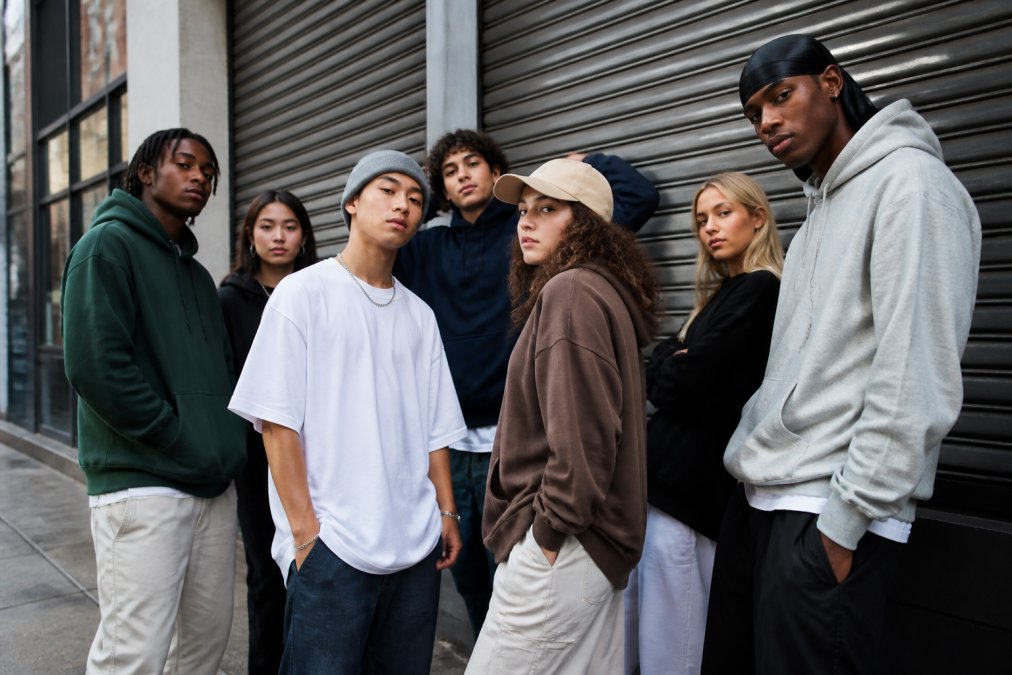
Streetwear appeals because it does two things at once: it gives you an identity and feels accessible. You do not need to wear an expensive designer label to command respect. A well-designed hoodie with a strong graphic says more about who you are than a brand you wear only because it is expensive.
The appeal also lies in authenticity. Streetwear brands tell stories. They usually have a clear vision and a small team behind them. HTT Streetwear, for example, combines bold graphics with contemporary street culture; it was not designed by a committee in an office—it feels real. Consumers notice this difference and appreciate it.
Functionality also plays a role that traditional fashion long ignored. Streetwear hoodies are made for comfort and style. They feature heavyweight fabric, well-finished seams, and designs that last for multiple seasons. This is fashion you actually wear, not fashion you hang up because it is too delicate.
Social media has also played a huge role. Influencers and content creators showcase streetwear outfits daily, and their followers see that you can wear them to school, work, or out. Streetwear is no longer just for weekends; it has become everyday clothing that happens to be better designed than what most major retailers offer.
Finally: Gen Z and millennials care more about brand authenticity than their parents do. They want to know where their clothes come from, who makes them, and what the brand stands for. This has benefited independent brands and disadvantaged large, soulless corporations.
Gen Z and the Future of Urban Fashion
Gen Z is not just a consumer group; it is a cultural shift. This generation grew up with Instagram, TikTok, and YouTube. For them, streetwear is not something you buy; it is how you express yourself online and offline.
This has major consequences. Gen Z consumers research brands extensively before buying. They read reviews, check the supply chain, and look at how a brand behaves on social media. A hoodie from HTT is not just a hoodie; it is a statement that you support a brand that respects street culture and values authentic design.
The future of urban fashion will be shaped by what Gen Z wants to see. That means more transparency, sustainability, and less fast fashion. It also means that small, independent brands can grow faster than ever because they can communicate directly with their audience without intermediaries.
Gen Z also expects streetwear to be inclusive. Sizes must genuinely work for everyone, not just men or just women. The fit must be right, not half-baked. This forces brands to take quality seriously, not just graphic designs.
Another important point: Gen Z does not accept greenwashing. They want to know that you are not just saying you are sustainable—they want you to actually do it. This means better materials, fair production, and transparent communication about impact.
Streetwear Trends 2026: What Shapes Market Dynamics
This year, we are seeing several clear trends shaping the market. First: oversized silhouettes remain dominant. This is not temporary; it is a fundamental shift in how people want to sit. Comfort is winning out over sleekness, and oversized feels more modern.
Second: grunge and editorial aesthetics dominate. Designs are rawer, less polished, and more conceptual. You can see this everywhere—in hoodie back prints, the washed finishes of T-shirts, and the choice of colors. The HTT Urban Chaos Hoodie is a perfect example: the layered collage of underground typography and grunge elements speaks directly to this trend.
The third trend is functionality meeting style. Pockets that actually work, fabric that is genuinely comfortable, and construction that lasts for years. Consumers are tired of clothing that already feels worn out after being washed twice.
The fourth trend is DTC (Direct-to-Consumer) dominance. Brands that sell directly to consumers have better margins, stronger contact with their audience, and faster feedback loops. This gives independent brands an advantage they didn't have before.
Sustainability is also becoming genuinely important—not as marketing, but as reality. Consumers want to know that their hoodie is made from good cotton, treated properly, and built to last. This is driving innovation in materials and production.
Finally, community building is a trend. Brands that build a real community instead of simply having customers are winning. This happens through Discord servers, TikTok, Instagram, and offline events. It's about belonging, not just the product.
| Trend | What it means | Implications for consumers |
|---|---|---|
| Oversized silhouettes | Comfort and relaxed fit | Better everyday wearability |
| Grunge aesthetics | Raw, editorial designs | More character and statement |
| Functionality | Fabric and construction that work | Clothing that lasts longer |
| DTC model | Brands sell directly | Better prices and faster communication |
| Sustainability | Genuinely sustainable choices | Responsible consumption |
| Community building | Brands build tribes | Stronger brand loyalty |
How to style streetwear hoodies with your everyday outfit
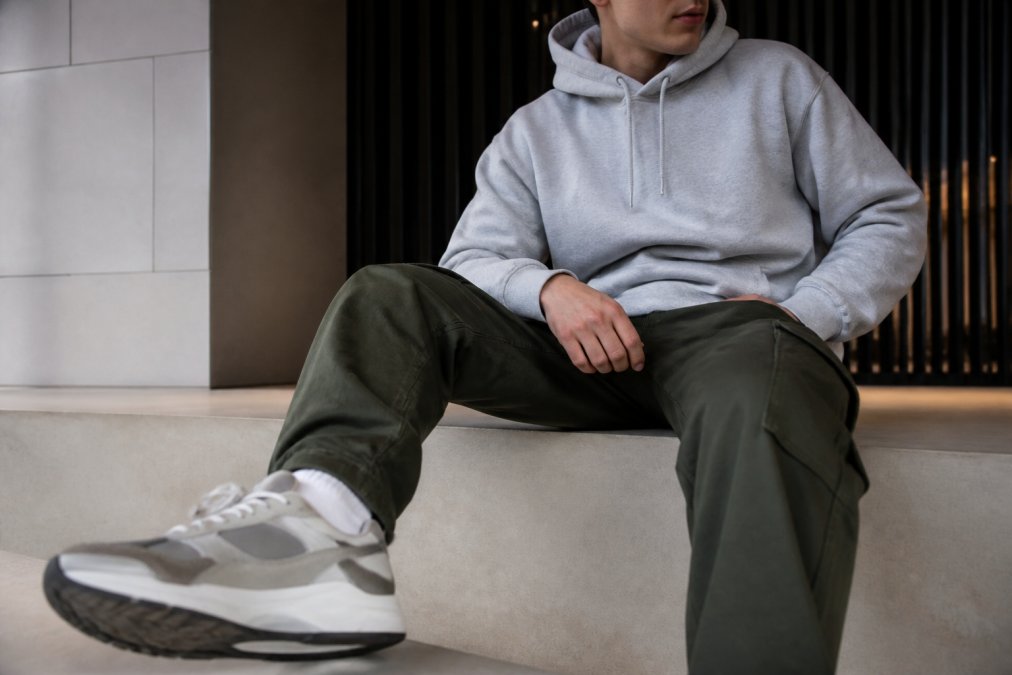
A streetwear hoodie is far more versatile than you might think. The key is understanding that streetwear isn't just for casual outings—it can go anywhere. Here's how to get it right.
Start with the basics: a well-fitting hoodie is everything. This means choosing the right size. For the HTT Original Rude Boys Heavy Hoodie, for example, if you're between two sizes, choose the larger size for that relaxed streetwear fit. A hoodie that's too tight looks cheap. A hoodie that fits perfectly looks intentional.
For everyday wear: pair your hoodie with neutral bottoms. Cargos, black jeans, or gray chinos all work well. Add sneakers in white, black, or gray. This is your baseline outfit, and it works everywhere: the office (yes, really), coffee runs, errands, or meeting friends.
Want more of a statement? Layer your hoodie. Put on an oversized T-shirt underneath and let the sleeves show. This adds dimension and feels more intentional. Or wear your hoodie open over a clean T-shirt. This works well in spring and fall.
For going out in the evening: the same hoodie can become more elegant. Pair it with dressier sneakers or even boots. Add an overshirt, a denim jacket, or an oversized button-up. This gives the outfit more structure while maintaining the streetwear vibe.
The graphic design of your hoodie determines a lot. If it is a statement graphic (such as Urban Chaos), keep the rest of your outfit clean. Black bottoms, white sneakers, no other prints. This lets the hoodie speak for itself. If it is a subtle design (such as HTT Bold Hoodie), you can experiment more with the rest of your outfit.
Color coordination is simple: streetwear hoodies are usually black, navy blue, or gray. These colors go with everything. As long as your bottoms are not the same color as your hoodie, you are good. Contrast is your friend.
Independent brands versus big labels: why consumers choose
This may well be the most important shift in streetwear today. Consumers are increasingly choosing independent brands over big labels. Why?
First: quality. Independent brands cannot survive with poor products. They do not have the marketing budget to advertise away poor quality. HTT Streetwear, for example, uses 100% combed cotton, 260 GSM heavyweight fabric, and air-jet-spun yarn. These are not cheap shortcuts. They are deliberate choices that result in clothing that truly lasts.
Second: authenticity. Big labels have committees, marketing strategies, and focus groups. Independent brands have a vision. Someone said, "This is what I want to make," and they made it. It feels different. Consumers can feel it.
Third: price. This is counterintuitive, but independent brands are often more reasonably priced than you expect. No middlemen, no massive overhead, no advertising budgets. An HTT hoodie costs €37.50. Prices from other brands have not been verified.
Fourth: community. Independent brands build real communities. They listen to their customers, respond to DMs, and involve their audience in design decisions. Big labels have customer service; independent brands have relationships.
Fifth: supply chain transparency. Independent brands can say where their fabric comes from, who makes it, and how. Major labels? They have thousands of suppliers and cannot even say where their cotton comes from. This makes independent brands more appealing to ethically conscious consumers.
This is why streetwear is growing: independent brands are redefining the fashion industry. They are outperforming major labels not by spending more money, but by listening better.
The future of streetwear: sustainability and authenticity
Where is streetwear headed? The answers lie in two words: sustainability and authenticity. These are not trends that will pass; they are fundamental shifts in how consumers think.
Sustainability no longer means simply saying, "we use organic cotton and claim to be green." It means having a real impact. How long does your hoodie actually last? Does the brand use renewable energy? How does it treat its workers? These are questions consumers are asking, and brands need to provide answers.
Authenticity means you cannot lie. Gen Z can smell BS from a mile away. If you say you are sustainable but your supply chain is a black box, your audience will find out. If you say you care about the community but do not respond to DMs, people will notice. Brands that are genuine win. Brands that fake it lose.
This also affects how streetwear brands grow. Going viral through influencers still works, but only if it feels authentic. An influencer who wears a hoodie because they genuinely like it generates more conversions than an influencer who wears it because they are being paid.
The circular economy is also starting to make inroads into streetwear. Consumers want to be able to return their old hoodies for recycling or resale. Brands that facilitate this earn loyalty. This is not only good for the planet; it is good for business.
Finally: hyperlocal relevance will grow. Streetwear brands will increasingly integrate local culture into their designs. This feels authentic and gives consumers the sense that they are supporting something local, not something generically global.
Research into consumer behavior in sustainable fashion shows that consumers are willing to pay more for brands that are transparent about their impact. This is good news for independent brands that already do this.
Streetwear is growing because it has solved something fundamental that traditional fashion could not: it combines authenticity, quality, and accessibility. It is no longer a niche; it is how young people dress. And that will not change.
If you are looking for streetwear that delivers all of this, start with HTT Streetwear. The brands that grow are those that listen to their audience, take quality seriously, and do not lie about who they are. HTT does all of this. Add an HTT Open Your Eyes Oversized T-Shirt to your cart and feel the difference between real streetwear and everything you have tried before.
Frequently Asked Questions
Q: Why is streetwear so popular right now?
A: Streetwear is growing because it represents authenticity, self-expression, and rebellion against mass production. Gen Z sees clothing as identity, not just covering. The combination of comfort, bold graphics, and cultural relevance makes streetwear appealing. Independent brands like HTT offer unique designs that cannot be found in every store, further increasing their appeal.
Q: What about the quality of HTT streetwear hoodies?
A: HTT hoodies are made from heavyweight fabric (271 g/m²) with 50% pre-shrunk cotton and 50% polyester for durability. Air-jet-spun yarn reduces pilling, while double-stitched seams ensure long-lasting wear resistance. Products comply with EU standards under the General Product Safety Regulation (GPSR). They are reliable for everyday use and years of wear.
Q: What makes independent streetwear brands like HTT different from major labels?
A: Independent brands offer direct control over design, quality, and messaging. HTT combines raw aesthetics with sustainable materials without mass production. They respond to trends faster and create exclusive pieces that are not available everywhere. This gives consumers the feeling of being part of a smaller, more authentic community rather than a mass-market brand experience.
Q: Is streetwear a lasting trend or a passing fad?
A: Streetwear is no longer a passing trend. It is a fundamental shift in how young people dress and express their identity. The focus on sustainability, authenticity, and DTC (Direct-to-Consumer) channels makes streetwear future-proof. Brand loyalty is growing, especially for independent labels that stand for genuine values instead of merely following hype.
This article was written using GrandRanker