

How to build a budget-friendly streetwear wardrobe
Last updated: November 19, 2026
Quick Summary
Build a budget-friendly streetwear wardrobe with around twenty versatile items in set proportions, such as six T-shirts, three hoodies, two pairs of pants, and two pairs of shoes. Use two neutral shades as your base and add one or two accent colors, so almost everything goes together. Buy no more than two or three new pieces per season and stick to a set seasonal budget.
- Start by decluttering your closet before buying anything new.
- A new piece should go with at least three pieces you already own.
- One relaxed-fit piece per outfit is usually enough for balance.
- First, allocate your seasonal budget to what you miss most often.
- Wash clothes inside out at a low temperature and avoid the dryer.
Table of contents
- Start by taking stock of and decluttering your closet
- Streetwear Basics for Men: The Essential Pieces You Need
- Building a Streetwear Capsule Wardrobe
- How to style oversized clothes without losing your shape
- Streetwear accessories to complete your outfit
- A concrete budget and cost plan for your streetwear wardrobe
- Care, repairs, and cost per wear
- Build your streetwear wardrobe at HTT Streetwear
- Frequently Asked Questions
Start by taking stock of and decluttering your closet
Building a budget-friendly streetwear wardrobe starts not with shopping, but with taking stock. Many people have more clothes than they think, but keep wearing the same five pieces.
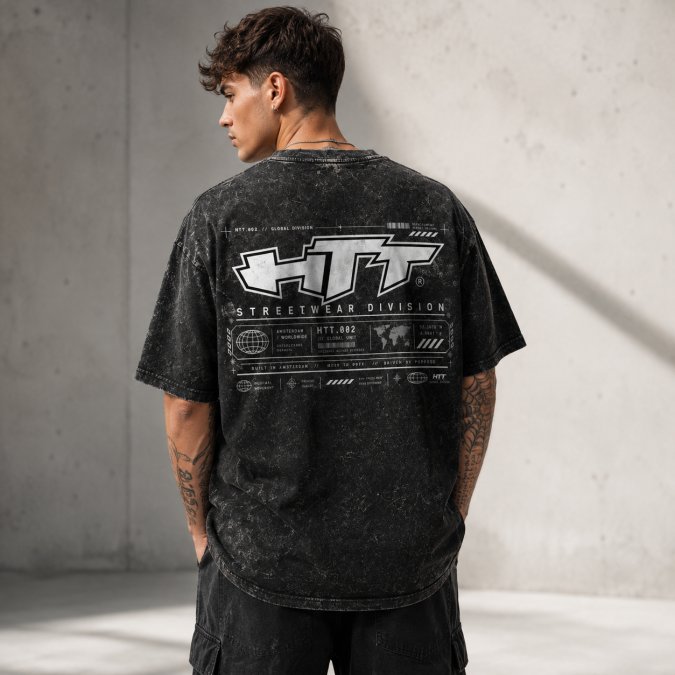
That first step saves money right away. You can sell or trade pieces you hardly wear. This creates space and a budget for pieces you actually reach for often.
Then go through this checklist:
- Which five items do I wear most often?
- Which clothes have gone untouched for months?
- Which pieces no longer fit or feel right?
- Which colors do I see in almost every outfit?
A tidy closet also makes the next steps easier. You can immediately see what's missing.
Streetwear Basics for Men: The Essential Pieces You Need
The foundation of any streetwear wardrobe is a small set of versatile pieces that work together. Think plain T-shirts, a hoodie, a long-sleeve shirt, a good pair of pants, and a cap. With those five categories, you can already build dozens of outfits.
Quality matters more here than quantity. A heavyweight cotton T-shirt lasts longer than three thin ones. Look at fabric weight and finish, not just the print.
The BLANKS line is plain, logo-free, and focused on silhouette and fabric. See the best streetwear essentials for men for more basics.
Building a Streetwear Capsule Wardrobe
Building a capsule wardrobe means choosing fewer pieces that work together in more combinations. For streetwear, a set of around twenty items works well. The difference from a general capsule wardrobe is that streetwear is about silhouette, layering, and a few strong graphic accents, not an endless series of timeless basics.
The exact breakdown of twenty items
Divide your capsule into set proportions so each piece can be paired with at least three others:
- Six T-shirts: four plain ones in your neutral base colors, two with a subtle graphic detail or a different cut.
- Three hoodies or sweatshirts: two plain ones (one black, one gray or off-white) and one with a more noticeable accent, such as a boxy fit or a bold color.
- Two pairs of pants: one wide-leg or cargo pair for volume, one regular-fit or straight-leg pair for balance.
- One jacket or overshirt: an overshirt works year-round; a heavier jacket is only worn during the colder months.
- Two pairs of shoes: one pair of sneakers that goes with everything and one pair that gives your look a distinctive touch.
- Four accessories: a cap, a crossbody bag, a chain, and optionally a belt or scarf.
Those twenty items aren't a hard-and-fast rule, but a practical starting point. The idea is to choose a set ratio for each category and stick to it.
Color as a unifying element
Use two neutral shades as your base, such as black and gray, and add one or two accent colors. That way, almost everything goes with everything else. A useful rule of thumb: if a new piece doesn't go with at least three pieces you already own, it's not a capsule piece but a standalone purchase.
Outfit formulas you can use again and again
With a small capsule wardrobe, you don't want to rethink your outfit every morning. So stick to a few go-to formulas:
- Plain T-shirt + wide-leg pants + cap: the go-to look for warm days.
- Hoodie + regular-fit pants + sneakers: the everyday combination.
- T-shirt + overshirt + cargo pants + chain: a layered look with more depth.
- Long-sleeve shirt under a T-shirt + wide-leg pants: a streetwear trick that adds volume without an extra jacket.
- Hoodie + overshirt + regular-fit pants: for colder days, while keeping your silhouette.
With five formulas and twenty items, you can quickly come up with dozens of combinations. The goal isn't to wear something new every day, but to create a different look each time with the same pieces.
Checking fit and proportions
Fit makes or breaks a capsule wardrobe. Check each piece to make sure the shoulder seams sit right, the length doesn't throw off your proportions, and the volume works with the rest of your capsule. Read more in how to style an oversized hoodie with jeans, cargo pants, or a skirt.
Note: if you build a capsule wardrobe without checking your measurements properly, you'll buy pieces you then never wear, making your capsule more expensive than a wardrobe full of separate purchases.
Adapt your capsule wardrobe to each season
A capsule wardrobe isn’t set in stone. Swap out two or three pieces each season: add a heavier jacket, take out a lighter pair of pants, and add an extra long-sleeve top for the transitional months. This keeps your capsule working without having to buy a completely new wardrobe every season.
Want to know which pants work best in a capsule wardrobe? Check out the best pants for oversized streetwear outfits.
How to style oversized clothes without losing your shape
Styling oversized clothes is all about balance. One relaxed-fit piece per outfit is usually enough. If you wear a boxy hoodie, choose pants with a defined shape. If you wear wide-leg pants, keep the top a little more fitted.
The mistake we see most often: wearing oversized pieces everywhere at once. Then your silhouette disappears.
A few practical rules:
- Pair an oversized top with a fitted or regular-fit bottom.
- Pay attention to the shoulder seams: if they fall deliberately low, that’s intentional.
- Check the length. A shirt that’s too long throws off your proportions.
- Use layers to add depth without adding volume.
Want concrete outfit combinations with an oversized hoodie? Learn how to style an oversized hoodie with jeans, cargo pants, or a skirt.
Streetwear accessories to complete your outfit
Accessories elevate a simple outfit into a polished look. A cap, a small crossbody bag, or a necklace does more than many people think.
A low-profile cap works with almost any streetwear look. If you choose a statement bag, keep the rest understated.
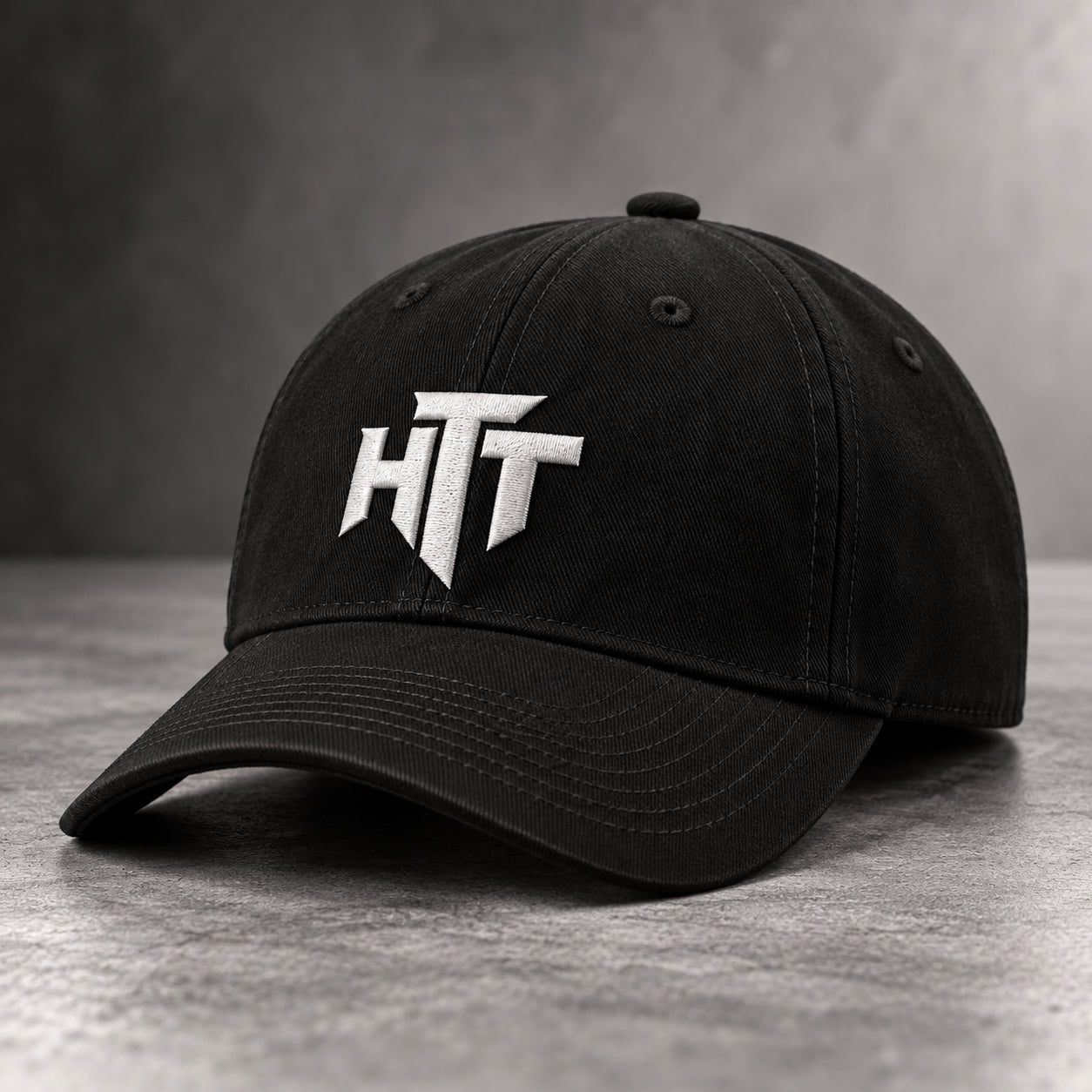
The HTT Monogram Cotton Cap is one example: 100% cotton, a flat-embroidered HTT monogram, and an adjustable cotton strap with a metal buckle.
Want to learn step by step how to combine accessories without overloading your outfit? Read the practical guide to streetwear accessories.
A concrete budget and cost plan for your streetwear wardrobe
Setting a budget works better than shopping without a plan. Set a fixed amount for each season and divide it among categories. This helps you avoid impulse purchases and leaves room for pieces you really need.
Step 1: Set your seasonal budget
Choose an amount you can afford to spend each season (about three months) without feeling the pinch. A practical starting point is to divide your annual budget into four equal parts and spend one part each season. This prevents you from spending everything at once and then going months without being able to buy anything.
Include maintenance in your budget too: a small amount each season for detergent, a repair at the tailor, or a new zipper. That’s not wasteful; it extends the life of what you already own.
Step 2: prioritize by category
Don’t divide your seasonal budget equally across all categories. Instead, follow this order:
- Start with what you miss most often. If you’re out of clean pants every morning, your first purchase should be pants, not a fifth hoodie.
- Then choose pieces that make your existing clothes work better. A solid-colored long-sleeve shirt that goes with three pairs of pants and two jackets is more useful than a bold statement piece that doesn’t go with anything.
- Save the finishing touches for last. Accessories and accents come into play only once the basics are in place.
A common mistake is to start with the piece you like best rather than the one you’ll wear most often. In the long run, that costs you more because you still have to buy those basics.
Step 3: use a table for each season
A practical starting point for a beginner’s wardrobe looks like this:
| Category | Number of pieces | Priority | What to look for |
|---|---|---|---|
| T-shirts | 4 to 6 | High | Fabric weight and fit |
| Hoodies and sweatshirts | 2 to 3 | High | Interior and hood finish |
| Pants | 2 | High | Silhouette and versatility |
| Jacket or overshirt | 1 | Medium | Seasonal versatility |
| Shoes | 1 to 2 | Medium | Versatility with your pants |
| Accessories | 1 to 2 | Low | Neutral color and fit |
Number of pieces
In your own table, enter an amount next to each category that you want to spend on it this season. That way, you can immediately see whether your priorities and budget align.
Step 4: spread out your purchases
Buy no more than two or three new pieces per season. First choose what you miss most often, and then the rest. This keeps your budget under control and lets your wardrobe grow step by step. An added benefit: you have time between purchases to notice what you really wear and what you don’t, so your next purchase is more targeted.
Keep in mind: if you spend your entire seasonal budget at once on three similar hoodies, you won’t have anything left for the pants or jacket that will really complete your wardrobe. Always set aside part of your budget for the piece you least expect to need.
Step 5: track your spending
For each purchase, note what you bought, how much you paid for it, and how often you wore it during the first month. After a few months, you’ll see patterns: pieces you wear often were worth the money; pieces that stay in your closet were a bad buy. Use that information for your next seasonal budget.
Want to know which basics we recommend starting with? Check out the best streetwear essentials for men.
Care, repairs, and cost per wear
Care determines how long a piece lasts, and therefore your cost per wear. Wash clothes inside out, at a low temperature, with similar colors. Avoid the dryer for heavy cotton pieces.
A hole in a hem or a loose seam is usually easy to repair. That’s almost always cheaper than replacing the item.
Do the math: a hoodie you wear every week for two seasons costs just a fraction of its purchase price per wear. A cheaper piece that fades after ten washes will ultimately cost you more. So consider value for money, not just the price tag.
Build your streetwear wardrobe at HTT Streetwear
HTT Streetwear is built around the idea “Wear Your Identity”: clothing shows who you are.
Fabric, fit, and finish all determine how a piece drapes and how long it lasts.
Not sure about your size? Compare the product measurements with clothes you already own, and contact us if you have any questions.
Ready to complete your wardrobe? Check out our selection of oversized hoodies and put together your look.
Frequently Asked Questions
How do you build a streetwear wardrobe on a small budget?
Start by taking stock of what you already own and deciding which essentials are missing. Choose timeless basics you can wear often, such as a heavyweight T-shirt and a hoodie, and pair them with clothes you already have. Streetwear accessories like a cap can complete an outfit without costing much extra. Shop with a plan and avoid impulse buys.
What basics do you need for a streetwear wardrobe?
A good foundation consists of a sturdy T-shirt, a hoodie or long-sleeve shirt, a cap, and versatile pants. Consider fit and fabric weight: a higher GSM means heavier material, but not necessarily better quality. Choose neutral colors that are easy to mix and match. At HTT Streetwear, you’ll find items including the HTT BLANKS Boxy T-Shirt made from 280 GSM cotton and the BLANKS Hoodie made from 380 GSM brushed fleece.
How do you wear oversized clothes without your outfit looking shapeless?
Pair an oversized item with something more structured. For example, wear a boxy T-shirt with straight-leg pants, or an oversized hoodie with fitted pants. Pay attention to proportions: if your top is loose, choose a bottom that isn’t too baggy. Layers can also help maintain your silhouette.
How do you put together a streetwear capsule wardrobe?
Choose a limited number of pieces that work well together, usually between 10 and 15 items. Think two T-shirts, a hoodie, a long-sleeve shirt, two pairs of pants, and a cap. Stick to a consistent color palette, such as black, gray, and an accent color. That way, you can create lots of outfits with just a few clothes and save money in the long run.
