

How to choose a heavyweight hoodie for winter streetwear
Last updated: November 12, 2026
Quick summary
Choose a heavyweight hoodie with a fabric weight of roughly 350 g/m² or more, made from 100% cotton with a brushed interior for the best balance for everyday city wear. Go one step heavier than you think you need: 350-400 g/m² for a typical winter day and 400-440 g/m² for cold days outdoors.
- GSM stands for grams per square meter and indicates how thick and heavy the fabric is.
- A regular hoodie weighs around 280-320 g/m²; a heavyweight hoodie starts at about 350 g/m².
- For a typical winter day in the city, 350-400 g/m² provides warmth without bulk.
- Lay a hoodie that fits well flat and measure from armpit to armpit for the right chest width.
- Wash a heavyweight hoodie inside out at a maximum of 30°C and air-dry it.
Table of contents
- Why a heavyweight hoodie is the foundation of winter streetwear
- Hoodie material and fabric weight: how to read g/m² and GSM
- A practical GSM guide for different temperature scenarios
- Oversized hoodie fit: choosing between regular, relaxed, and oversized
- Wearing a hoodie under a jacket: layering without bulk
- Warmth without overheating: breathability and moisture regulation
- Caring for a heavyweight hoodie: how to keep it looking good
- Choose your heavyweight hoodie from our collection
- Frequently Asked Questions
Why a heavyweight hoodie is the foundation of winter streetwear
A heavyweight hoodie is the garment you reach for most often as the temperature drops. More and more people are choosing thick fabric instead of three thin layers.
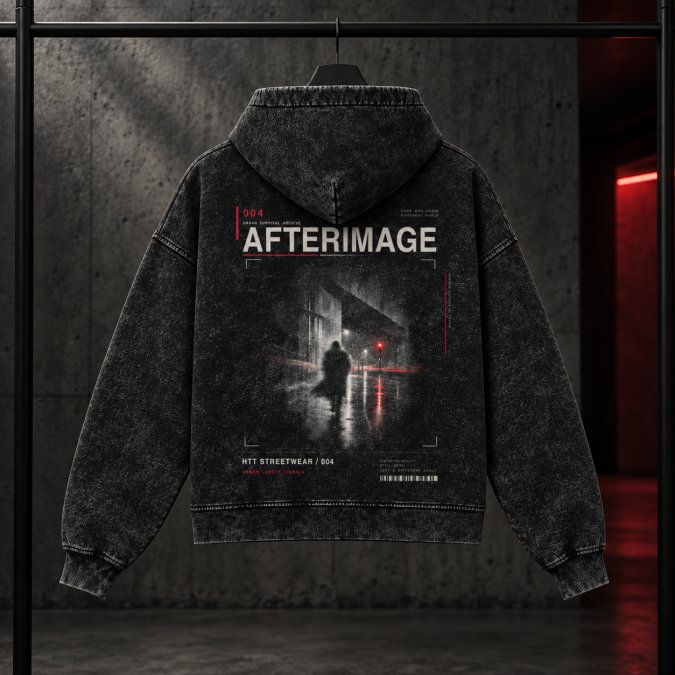
Why does that matter? Because a hoodie with more weight drapes differently: the hood holds its shape, the shoulders drop in the right place, and the hem doesn't roll up after two days of wear.
Below, we'll explain how to read fabric weight, which composition suits which weather, how to choose the right fit, and how to layer a heavyweight hoodie without looking like the Michelin Man.
Hoodie material and fabric weight: how to read g/m² and GSM
GSM stands for grams per square meter and indicates how much fabric is used per area. The higher the number, the thicker and heavier the fabric.
GSM indicates weight, not necessarily warmth. A 380 g/m² cotton hoodie with a brushed interior feels warmer than a 400 g/m² hoodie with a smooth interior.
Also pay attention to the fabric's stretch. Heavy fabric with a snug ribbed hem stays in place better than a loose finish.
Cotton, polyester, or a blend: how they affect warmth and comfort
Cotton is breathable, feels natural, and gets softer with every wash. The downside: it holds moisture, so after a long day in the rain, it stays damp for longer.
Polyester retains heat better and dries faster, but feels synthetic sooner and can become static.
If you really want to feel the quality, look for combed ring-spun cotton. The fibers are longer and more uniform, so the fabric pills less easily and lasts longer. Then take a look at why combed ring-spun cotton is the foundation of good streetwear.
Fabric comparison: cotton, polyester and blends side by side
Choosing a fabric involves balancing several factors. Below, we’ve listed the key properties to help you make an informed choice.
| Property | 100% cotton | 100% polyester | Cotton-polyester blend (80/20 or 70/30) |
|---|---|---|---|
| Warmth | Medium to high, depending on brushing | High, retains heat well | High, combines both |
| Breathability | Good | Moderate | Fair to good |
| Moisture management | Absorbs moisture but wicks it away slowly | Wicks moisture quickly but is less breathable | Balances absorption and wicking |
| Wear resistance | Retains its shape, can shrink | Strong, but can pill | Fairly strong, shrinks less than cotton |
| Shrinkage | Can shrink at high temperatures | Retains its shape | Limited shrinkage |
| Environmental impact | Biodegradable, but water-intensive | Made from petroleum, non-biodegradable | Mixed impact, difficult to recycle |
Note: If you choose a blend to limit shrinkage, you often sacrifice some breathability. For intensive everyday use in the city, 100% cotton with a brushed interior is usually the best balance.
Brushed interior, fleece or unbrushed
The inside determines how the hoodie feels against your skin. Brushed fleece is soft and warm, but can pill over time. Unbrushed fabric feels rougher but holds its structure better and lasts longer.
A middle ground is light brushing: soft enough for comfort, sturdy enough to resist pilling. For winter streetwear, it’s often the smartest choice.
A practical GSM guide for different temperature scenarios
There’s no universal answer to the question “how much GSM do I need?”, but you can approach it practically. Use this guide as a starting point:
| Scenario | Recommended GSM | Why |
|---|---|---|
| Indoors or on a mild autumn day | 300-350 g/m² | Light enough to keep you from sweating, sturdy enough to drape well |
| A typical winter day in the city | 350-400 g/m² | Warmth without bulk, works under a coat |
| Cold days, lots of time outdoors | 400-440 g/m² | Maximum warmth, holds its shape under layers |
| Evenings and performances | 380-440 g/m² | A substantial look that holds its shape without styling |
Recommended GSM
Our rule of thumb: choose one weight class heavier than you think you need. A 380 g/m² hoodie feels heavy when you try it on, but after a week of wearing it, you won’t want to go back to a lighter one.
Oversized hoodie fit: choosing between regular, relaxed, and oversized
The fit determines whether a heavyweight hoodie looks like streetwear or like a hoodie borrowed from your dad. There are three clear options, each suited to a different silhouette.
A regular fit follows your body without feeling tight.
A relaxed fit gives you a little more room in the shoulders and body without being truly oversized.
An oversized fit is intentionally roomy, with dropped shoulders and longer sleeves. It’s the classic streetwear look, and it works especially well with heavyweight fabric because the fabric itself holds its shape.
How to determine your size step by step without guessing
Buying a hoodie online without trying it on can be tricky, but these steps will get you most of the way there:
- Measure a hoodie you already like the fit of. Lay it flat and measure from armpit to armpit. That’s the chest width, not your chest measurement.
- Measure the length from the shoulder seam to the hem. This tells you whether the hoodie falls at your hip or thigh.
- Compare it with the manufacturer’s size chart. Note: flat chest width is half the circumference.
- Choose your desired silhouette. For the intended oversized look, choose your usual size. If you want a less roomy fit, go one size down.
- Check the sleeve length. On oversized styles with dropped shoulders, the sleeves are longer. That’s intentional.
The differences between fits are bigger than the differences between sizes. Want to know exactly how oversized, regular, and boxy fits look and how to choose the right size online? Check out our guide to oversized versus regular fit and how to choose the right size.
Wearing a hoodie under a jacket: layering without bulk
Layering with a heavyweight hoodie only works if you get the order right.
The formula we recommend:
- Base layer: a thin cotton T-shirt or long-sleeved shirt. Keeps sweat away from your skin.
- Mid layer: the heavyweight hoodie. This is where the warmth comes from.
- Outer layer: a bomber jacket, denim jacket, or lined jacket. Protects you from wind and moisture.
The pitfall is wearing an outer layer that’s too tight over an oversized hoodie. Your jacket should be at least one size looser than usual; otherwise, it will flatten the hoodie and ruin the silhouette.
Pay attention to the hood, too. A thick hood under a jacket with a collar can rub or bunch up around your neck.
Want to see some specific outfit ideas? We’ve put together seven ways to style an oversized hoodie, from skinny jeans to a puffer jacket.
Warmth without overheating: breathability and moisture regulation
The biggest complaint about heavyweight hoodies isn’t that they’re cold, but that you sweat in them.
Cotton is naturally breathable, but moisture stays in the fibers. Polyester wicks moisture away but is less breathable.
For active pursuits, it’s best not to wear a heavyweight hoodie as your only layer. For a walk around town, 380 g/m² is fine.
A practical tip: try wearing your hoodie indoors at home for half an hour. Does your back feel damp after twenty minutes? Then it’s too heavy for your needs.
The difference between wearing it outdoors and wearing it indoors for extended periods
A heavyweight hoodie performs differently depending on where you wear it. Outdoors, the insulation is an advantage: the fabric retains heat and protects against the wind.
The solution is layering and adjustability. Do you wear your hoodie indoors and outdoors all day? Choose a zip-up style so you can unzip it when you come inside.
Note: A fit that’s too tight limits airflow, making you sweat more quickly, even in a breathable fabric. If in doubt, choose a size up for extra room.
Moisture management: how to keep your hoodie from feeling damp
Moisture management is about how quickly sweat is drawn away from your skin and evaporates. Cotton absorbs moisture but releases it slowly, while polyester wicks moisture away faster but can feel synthetic. A blend of the two offers a middle ground.
Here’s what you can do:
- Wear a thin base layer made of cotton or a performance fabric under the hoodie. This layer absorbs sweat and keeps it away from the hoodie.
- Choose a looser-fit hoodie so air can circulate and moisture evaporates faster.
- Avoid excessive heat by taking off the hoodie or unzipping it when you come inside.
- Wash the hoodie regularly at a low temperature to prevent sweat and odors from building up.
Caring for a heavyweight hoodie: how to keep it looking good
A heavyweight hoodie will last for years if you take good care of it, but it needs a little more attention than a lightweight hoodie. The fibers are thicker, so they absorb more water and take longer to dry.
Washing tips:
- Wash inside out at a maximum of 30°C with a mild detergent.
- Don’t use bleach or leave the hoodie to soak for a long time.
- Air-dry or tumble-dry on low heat, never high.
- Iron or steam on a low setting, preferably inside out.
- Fold the hoodie instead of hanging it on a hanger, so the shoulders don’t stretch out.
The brushed interior is the most delicate part. Don’t wash it with Velcro or zippers, as they can pull the fleece loose. And don’t put it in the dryer on high heat: the fabric shrinks and the brushing loses its softness.
Choose your heavyweight hoodie from our collection
At HTT Streetwear, our heavyweight hoodies are all about a fabric weight you can feel and a sturdy finish.
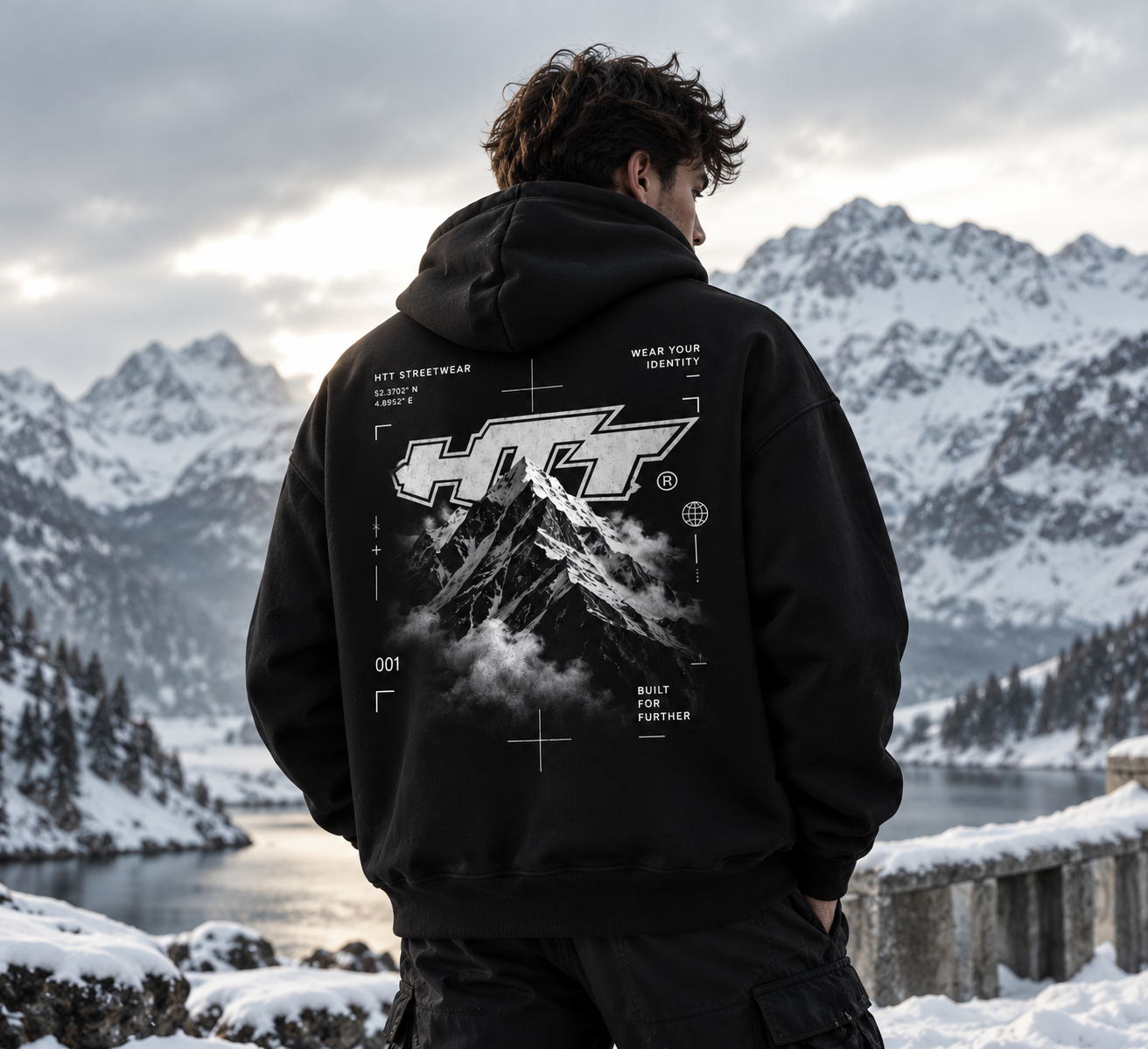
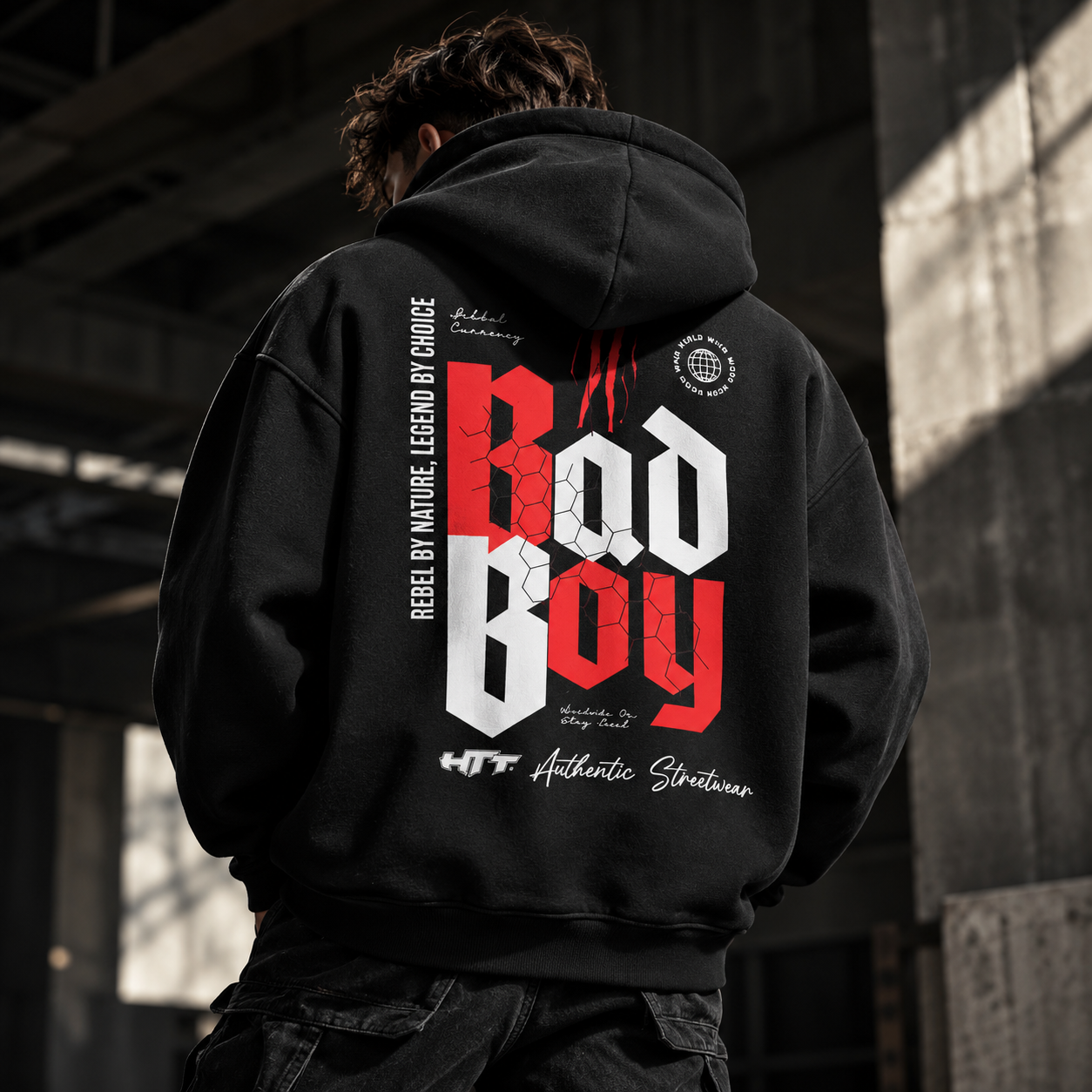
The HTT Mountain Peak 380 GSM oversized hoodie is a great place to start if you want one hoodie that works throughout the winter season: 100% cotton, brushed fleece on the inside, and a minimalist front with a mountain print on the back. Looking for an alternative with a bolder statement? Check out the HTT Badboy 380 GSM oversized hoodie for another style in the same weight class.
For those looking for the heaviest option, there's the HTT BLANKS 440GSM Sun Faded Heavyweight Hoodie: 100% cotton, 440 g/m², an oversized unisex fit with dropped shoulders, and a washed finish that gives every color character.
The challenge isn't finding a hoodie that keeps you warm. It's finding one that keeps you warm without making you sweat. Browse the full hoodie collection and choose the heavyweight hoodie that suits your style.
Frequently Asked Questions
What exactly is a heavyweight hoodie?
A heavyweight hoodie is made from heavy fabric, usually around 350 g/m² or more. The thicker fabric feels sturdier, holds its shape better, and provides more warmth than a standard hoodie at around 250 g/m². At HTT Streetwear, for example, you'll find 380 GSM and 440 GSM hoodies, both made from 100% cotton. A heavyweight hoodie like this is ideal as a base or mid-layer for winter streetwear.
How do you choose the right size for an oversized hoodie?
Measure a hoodie you already like the fit of and compare its flat chest width, measured from armpit to armpit, with our size chart. Note: this isn't your chest circumference. For an oversized fit with dropped shoulders, choose your usual size for the intended look, or size down if you want a less roomy fit. Between two sizes? Choose the smaller one for a closer fit.
How do you keep an oversized hoodie from looking too bulky under a jacket?
Choose a jacket that fits slightly looser than your usual size, such as a bomber jacket or a straight-fit denim jacket. Keep the layers underneath thin: wear a long-sleeve top or T-shirt as a base layer instead of another thick sweatshirt. Don't tuck the bottom of the hoodie into your pants; let it hang over them. This keeps the silhouette clean and prevents you from looking bundled up.
How do you wash a heavyweight hoodie so it stays looking good?
Wash your hoodie inside out on a cold or delicate cycle with a mild detergent. Do not bleach or leave it to soak for an extended period. Tumble dry on low, at no more than 30°C, or air-dry. This helps keep the fabric looking good and prevents shrinkage or wear on the inside. Always follow the care label on your specific hoodie, as it takes precedence.
